Is Spray Foam Insulation Worth It for Houston Homes?
Spray foam insulation usually costs more upfront than fiberglass, so Houston homeowners naturally want to know whether the added expense is worthwhile. The honest answer depends on the house, the existing attic, where the HVAC system is located, which foam is proposed, and what problem the project is intended to solve.
A successful project can provide insulation and air sealing in one system, reduce temperature extremes around attic ductwork, and improve comfort. A poorly planned installation can spend substantially more without addressing the home’s real weakness. This guide explains the major spray foam insulation cost factors in Houston and how to evaluate value without relying on a universal savings promise.
Why Spray Foam Costs More Than Traditional Insulation
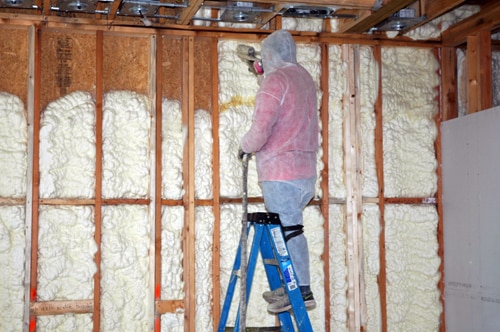
Spray polyurethane foam requires specialized chemical components, proportioning and heating equipment, trained applicators, protective equipment, ventilation, jobsite containment, and careful control of substrate and application conditions. The installed product may also need an ignition or thermal barrier depending on its location and applicable requirements.
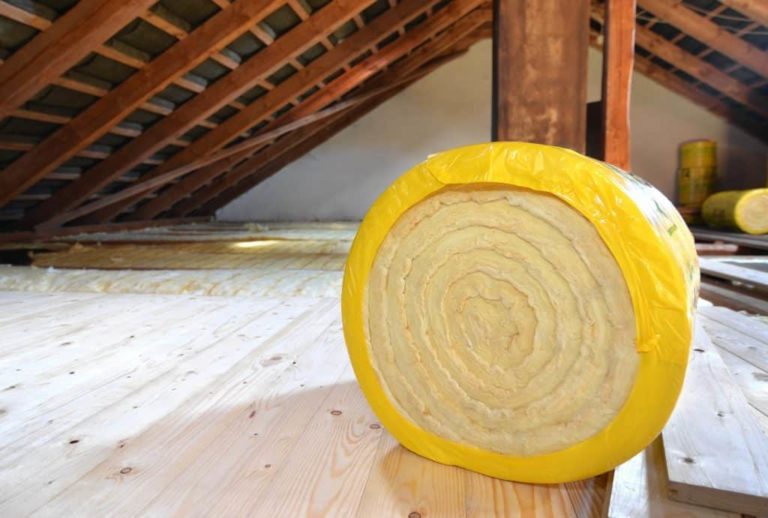
Fiberglass is manufactured before it reaches the home and can often be installed with less specialized equipment. Spray foam is manufactured in place through a chemical reaction, so labor, equipment, quality control, and safety procedures are substantial parts of the price.
What Determines Spray Foam Insulation Cost?
Open-cell or closed-cell foam
Closed-cell foam is denser, uses more material by weight, and generally costs more. It also provides greater thermal resistance per inch. Open-cell foam is lower-density and typically expands more, but it usually requires greater thickness to reach the same target R-value.
The lower-priced product is not automatically the better value. The correct comparison includes required thickness, cavity depth, vapor behavior, moisture strategy, and the complete installed assembly. Our open-cell versus closed-cell spray foam guide explains those differences.
Square footage and roof complexity
A large roofline requires more material and labor. Steep slopes, hips, valleys, dormers, tight eaves, limited access, complex framing, and numerous penetrations can slow application and increase preparation.
Required thickness and thermal target
The estimate should state the proposed thickness and corresponding product R-value. More thickness requires more material, but an unrealistically thin application may fail to deliver the intended thermal performance.
Existing insulation removal
Creating an unvented roof assembly may involve removing attic-floor insulation so the thermal boundary is not split between two locations. Wet, contaminated, or pest-damaged material also requires controlled removal and disposal.
Insulation that can appropriately remain in place may reduce project cost, but that decision should follow an attic assessment rather than a blanket rule.
Roof, moisture, and substrate preparation
Foam should not be used to conceal active roof leaks, wet decking, contamination, or damaged framing. Repairs, drying, cleaning, pest work, or moisture testing can add cost, but skipping those steps risks a more expensive failure.
Ignition or thermal protection
Depending on the foam location, attic access, intended use, product evaluation, and applicable requirements, the project may need an approved ignition barrier, thermal barrier, or other protective covering. The proposal should identify whether this is included.
HVAC and ventilation modifications
Changing a vented attic into an unvented enclosure changes the environment around ducts and mechanical equipment. Existing attic vents may need to be addressed, combustion appliances require special consideration, and the attic may need a deliberate humidity-control or conditioned-air strategy.
What Value Can Spray Foam Provide?
Combined insulation and air control
Spray foam can provide thermal insulation while also reducing air leakage when installed continuously. That combined function may address conditions that adding fibrous insulation alone would not solve.
A more tempered environment around attic ducts
Many Houston homes place HVAC ducts or air handlers in the attic. A properly designed roofline foam system can bring that equipment into a less extreme environment, potentially reducing heat gain and losses around the duct system.
Improved comfort
Reducing heat flow and unwanted air movement may help rooms beneath the roof maintain more consistent temperatures. The result depends on the entire home, including HVAC sizing, duct balance, windows, shading, and return-air pathways.
Durable installed position
Properly installed foam adheres to the substrate and does not settle like loose-fill insulation. It can still be damaged by leaks, improper formulation, unsuitable installation conditions, later construction work, or other failures.
Will Spray Foam Pay for Itself?
No contractor can determine payback from square footage alone. Savings depend on the home’s condition before installation, air leakage, existing R-value, duct location and leakage, HVAC efficiency, thermostat settings, occupancy, weather, and electricity rates.
Spray foam may produce stronger value when it corrects substantial air leakage, replaces a poorly performing attic system, or brings ductwork into a properly designed conditioned enclosure. It may provide a smaller financial return when the attic already performs well or when the main problem is unrelated to insulation.
Comfort, humidity management, usable attic conditions, and reduced temperature stress around equipment may be valuable even when they cannot be isolated precisely on a utility bill. Those benefits should still be weighed against project cost and alternatives.
How to Estimate a Realistic Payback
- Review at least 12 months of electricity use. Compare kilowatt-hours as well as dollars because rates change.
- Identify existing deficiencies. Document insulation depth, air leakage, ducts, roof condition, moisture, and comfort problems.
- Compare complete scopes. A fiberglass estimate and a spray-foam estimate may create different attic systems and should not be compared only by price.
- Use conservative savings assumptions. Avoid calculations based entirely on the highest advertised percentage.
- Include preparation and protection. Removal, repairs, HVAC work, barriers, and ventilation changes belong in the total project cost.
- Consider ownership horizon. A homeowner expecting to remain for many years may value durability and comfort differently from someone preparing to move soon.
Simple payback divides the total installed cost by estimated annual savings. It is only a planning tool—not a guarantee—because weather, energy prices, occupancy, and equipment change.
When Spray Foam May Be Worth the Added Cost
- The attic has significant air leakage that the project will address
- HVAC ducts or equipment operate in an extremely hot vented attic
- The home needs an intentionally designed unvented roof assembly
- Framing depth makes higher thermal resistance per inch valuable
- Comfort problems are strongly connected to the roof and attic enclosure
- The homeowner values a combined insulation and air-sealing system
- The project includes appropriate humidity, ventilation, and combustion-safety planning
When Another Insulation Option May Be Better
Fiberglass may provide better value when the attic should remain vented, existing air leakage can be addressed separately, easy future access is important, or the home mainly needs additional attic-floor R-value.
Spray foam may also be inappropriate until roof leaks, wet decking, contamination, unsafe wiring, or HVAC problems are corrected. A contractor should be willing to recommend a different solution when foam does not fit the building.
Compare the options in our spray foam versus traditional insulation guide.
How to Compare Spray Foam Estimates
Every proposal should identify:
- Exact manufacturer and foam product
- Open-cell or closed-cell formulation
- Included surfaces and approximate square footage
- Target thickness and R-value
- Preparation, removal, and repairs
- Vent and HVAC modifications
- Ignition or thermal barriers
- Occupant protection, ventilation, and re-entry procedure
- Cleanup and disposal
- Material and workmanship warranties
- Exclusions and change-order process
If one proposal omits these details, it may not represent the same finished system as a more complete estimate.
Request a Houston Spray Foam Estimate
Ultimate Radiant Barrier has served Greater Houston since 2006 and brings 57 years of insulation-industry experience to home evaluations. We inspect the roof, attic, insulation, ducts, ventilation, moisture conditions, and project goals before recommending spray foam insulation in Houston.