Mon - Sat 8AM - 7PM

Missouri City extends across Fort Bend and Harris counties and includes established neighborhoods, redeveloping areas and newer master-planned communities such as Sienna. That housing mix creates meaningful differences in roof design, attic access, ventilation, insulation type and previous improvement work.
Across the city, long cooling seasons and Gulf Coast humidity place sustained demands on attics and air-conditioning systems. Ultimate Radiant Barrier & Insulation provides professional insulation services in Missouri City, TX, including fiberglass attic insulation, spray foam insulation, radiant barrier foil and insulation removal.
Missouri City is really two housing markets sharing a name. The northern half — Quail Valley, Hunters Glen, Fondren Park and Lake Olympia — was built largely through the 1970s and 1980s. The southern half, along Highway 6 and the Fort Bend Parkway, is Sienna, Riverstone, Colony Lakes and Vicksburg, most of it from the 1990s onward and some of it still going up.
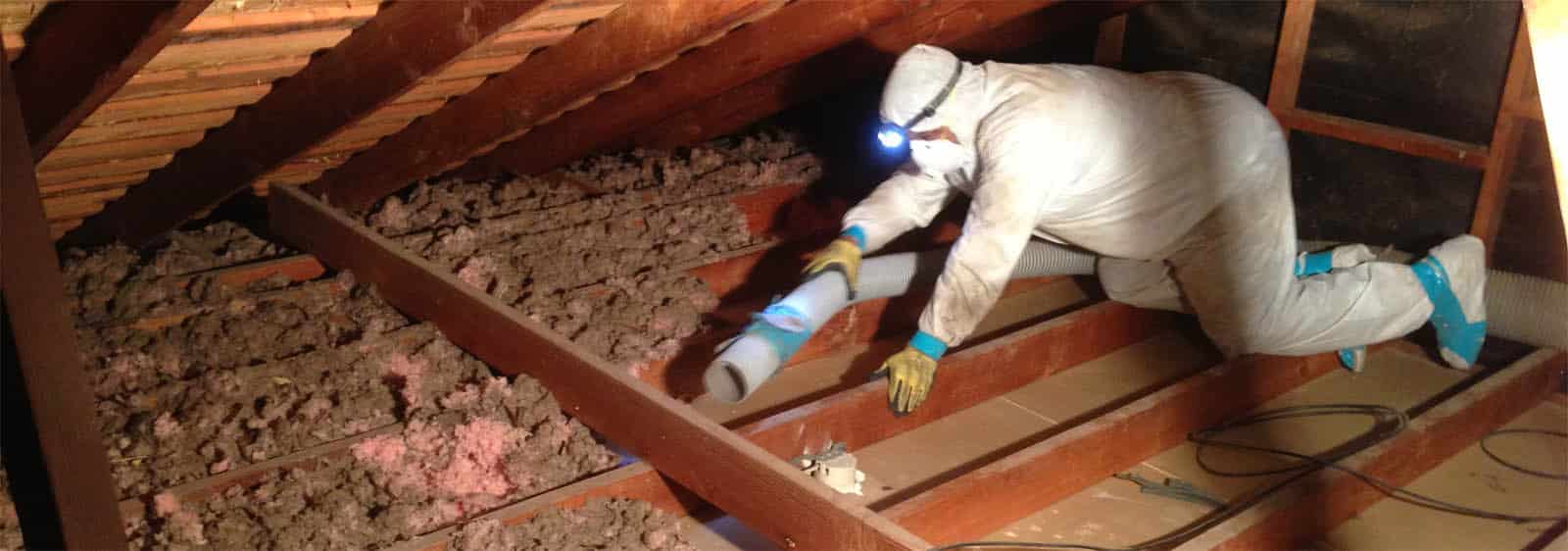
The practical difference shows up as attic access. Many of the older northern homes are single story with low-pitch roofs, which leaves a shallow attic that is awkward to move through and difficult to insulate evenly. Coverage tends to thin toward the perimeter simply because there is no room to work there — and that perimeter sits directly above the rooms you actually use.
The newer southern homes are mostly two story with generous attic volume, and with the HVAC equipment and most of the duct run sitting up there in a space that passes 130°F in August. Plenty of room to work in, and a good deal more that can go wrong.
Neither is harder to put right than the other. They simply call for different work, and a quote given without seeing which one you have is a guess.
Choose the service that best matches the attic condition or comfort problem you want to address. If the cause is unclear, describe the symptoms in the estimate form and our team can help determine the appropriate starting point.
Blown or batt fiberglass can restore thermal resistance where attic coverage is thin, uneven or no longer performing as intended.
Open- or closed-cell spray foam may be appropriate when a project requires insulation combined with air sealing.
Radiant barrier foil helps reduce radiant heat transfer from the roof assembly into the attic and living space below.
Old, damaged or contaminated insulation can be removed before the attic is cleaned and prepared for the selected replacement system.
A solar attic fan may support attic ventilation when it is compatible with the roof, intake ventilation and overall attic design.
In a low-clearance attic the common findings are material compressed where someone has crawled, bare or nearly bare framing within a few feet of the eaves, and soffit vents blocked by insulation that has been pushed into them. Depth in the middle can look perfectly respectable while the edges are doing almost nothing.
In the taller newer attics the depth is usually adequate and the problems sit elsewhere — unsealed penetrations at ceiling level, duct joints that have loosened since handover, and equipment operating in extreme heat with insulation that has settled away from around it.
Both produce the same complaints: rooms that will not hold temperature, a system running longer each year, and bills that climb. The cause and the correction are different in each case.
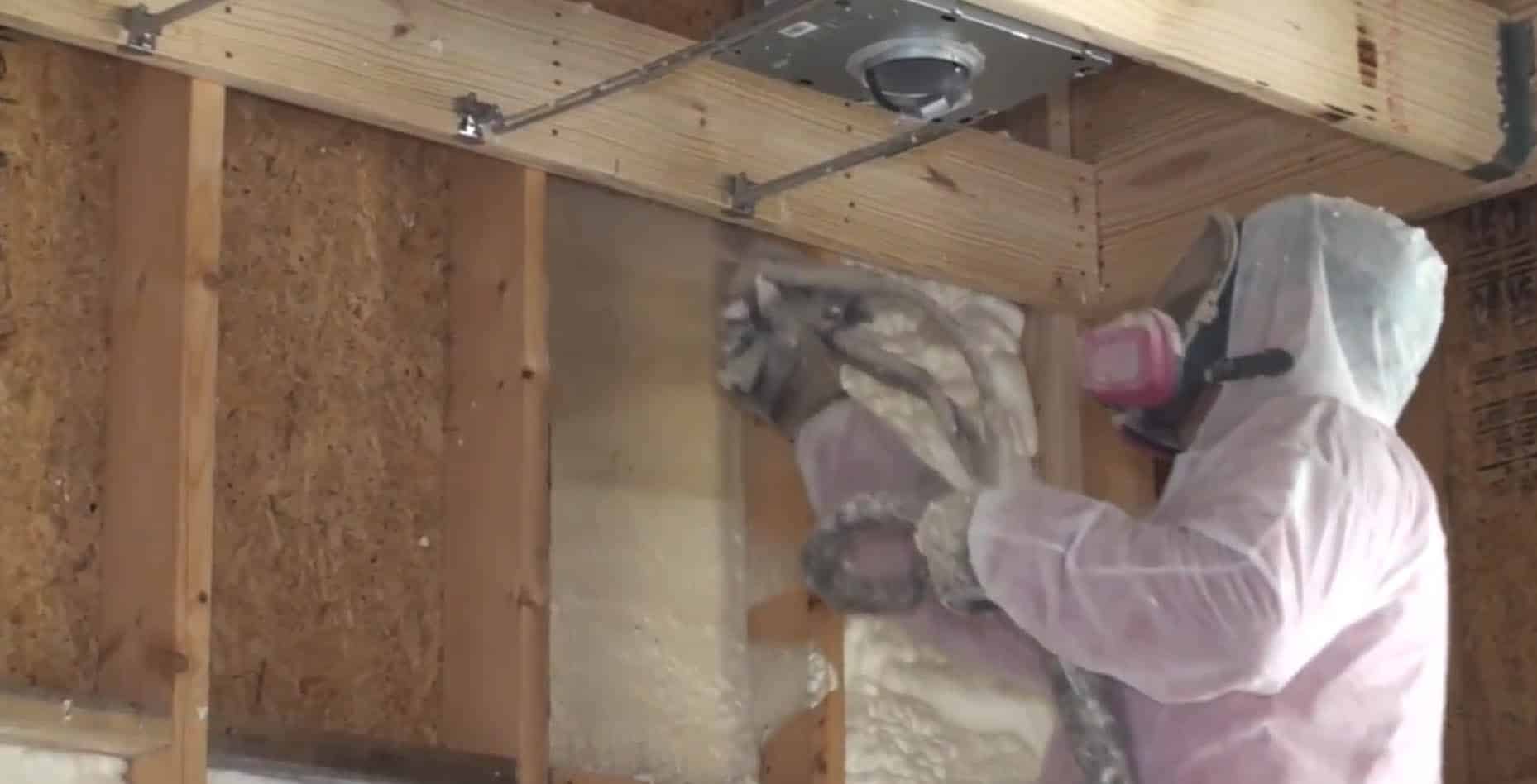
That is why we look before quoting. A shallow attic often needs careful perimeter work and proper baffles far more than it needs another six inches in the middle. A tall attic with the ductwork in it usually needs air sealing and duct attention before extra depth is worth paying for.
There is no honest one-product answer for every Missouri City house. Fiberglass, spray foam and radiant barrier address different parts of attic performance. An established home near the city’s older corridors may require a different plan than newer construction, a remodeled property or a house with insulation already applied at the roof deck.
The attic needs practical thermal resistance, existing fiberglass can remain in place, or coverage needs to be restored with blown or batt material.
The project calls for stronger air sealing, a different thermal boundary or insulation applied directly to a roof deck or selected surface.
Reducing radiant heat from the roof assembly is an important part of the plan and the attic configuration supports proper foil installation.
Insulation removal may be recommended first when existing material is wet, contaminated, heavily damaged or prevents safe access to the attic floor. The evaluation should explain why removal is necessary and what replacement system is being proposed.
From the first call through the completed installation, the process should remain clear, organized and easy to understand.
Call or submit the form with your address and the symptoms you want evaluated, such as hot rooms, aging insulation or visible damage.
A technician reviews the relevant insulation and attic conditions, then explains the available options and their intended purpose.
After you choose an approach, the work is scheduled and completed according to the agreed scope with attention to your home.
The wrong diagnosis is expensive in both directions — paying for depth that will not help, or replacing an attic that only needed its edges done properly.
Ultimate Radiant Barrier & Insulation has served Greater Houston homeowners since 2006. We will get into a tight attic and tell you what is genuinely happening out at the eaves rather than quoting from the hatch.
If you want to understand what you are looking at first, our article on high energy bills, HVAC problems and duct leakage explains how these interact.

Yes. We cover Missouri City across Fort Bend and Harris counties, including Quail Valley, Hunters Glen, Fondren Park, Lake Olympia, Sienna, Riverstone, Colony Lakes, and Vicksburg.
Usually, yes — low-clearance attics are common in the older parts of Missouri City and we work in them regularly. What matters is being honest about which areas can be reached safely and which cannot, and documenting anything genuinely inaccessible rather than pretending the whole attic was covered.
Because the eaves are where the roof meets the wall and the clearance runs out. It is the hardest place to reach with a blower, the easiest place to skimp, and the place where insulation must not block the soffit vents. It is also directly above your living space, so thin coverage there is felt more than anywhere else.
Often not depth. On newer two-story homes the attic usually holds the HVAC equipment and long duct runs, so the value is in air sealing the ceiling penetrations and confirming the ducts are not losing cooled air into a 130-degree space. That work frequently changes comfort more than adding fiberglass would.
It needs more attention, not less. A single-story home has its entire living area directly under the attic, so every square foot of thin coverage is felt somewhere in the house. In a two-story, only the upper floor sits beneath it. The insulated area is larger relative to the home on a one-story house.
Homes in the newer Missouri City communities may still be inside a builder warranty period, so it is worth checking your documentation before any attic work is scheduled. If the insulation was installed short of what was specified at closing, that is a conversation to have with the builder before it becomes a conversation with us.
Tell us what you are experiencing in your Missouri City home. A member of the Ultimate Radiant Barrier & Insulation team will follow up to discuss your needs and the next step.
Professional Greater Houston insulation service since 2006.