Mon - Sat 8AM - 7PM

Katy is the hub of Harris, Fort Bend and Waller counties, and the larger Katy area combines an established city center with extensive newer development west of Houston. That mix creates considerable variation in attic size, roof design, ventilation, insulation type and construction details from one neighborhood to another.
What Katy homes share is a long cooling season, strong roof heat and sustained air-conditioning demand. Ultimate Radiant Barrier & Insulation provides professional insulation services in Katy, TX, including fiberglass attic insulation, spray foam insulation, radiant barrier foil and insulation removal.
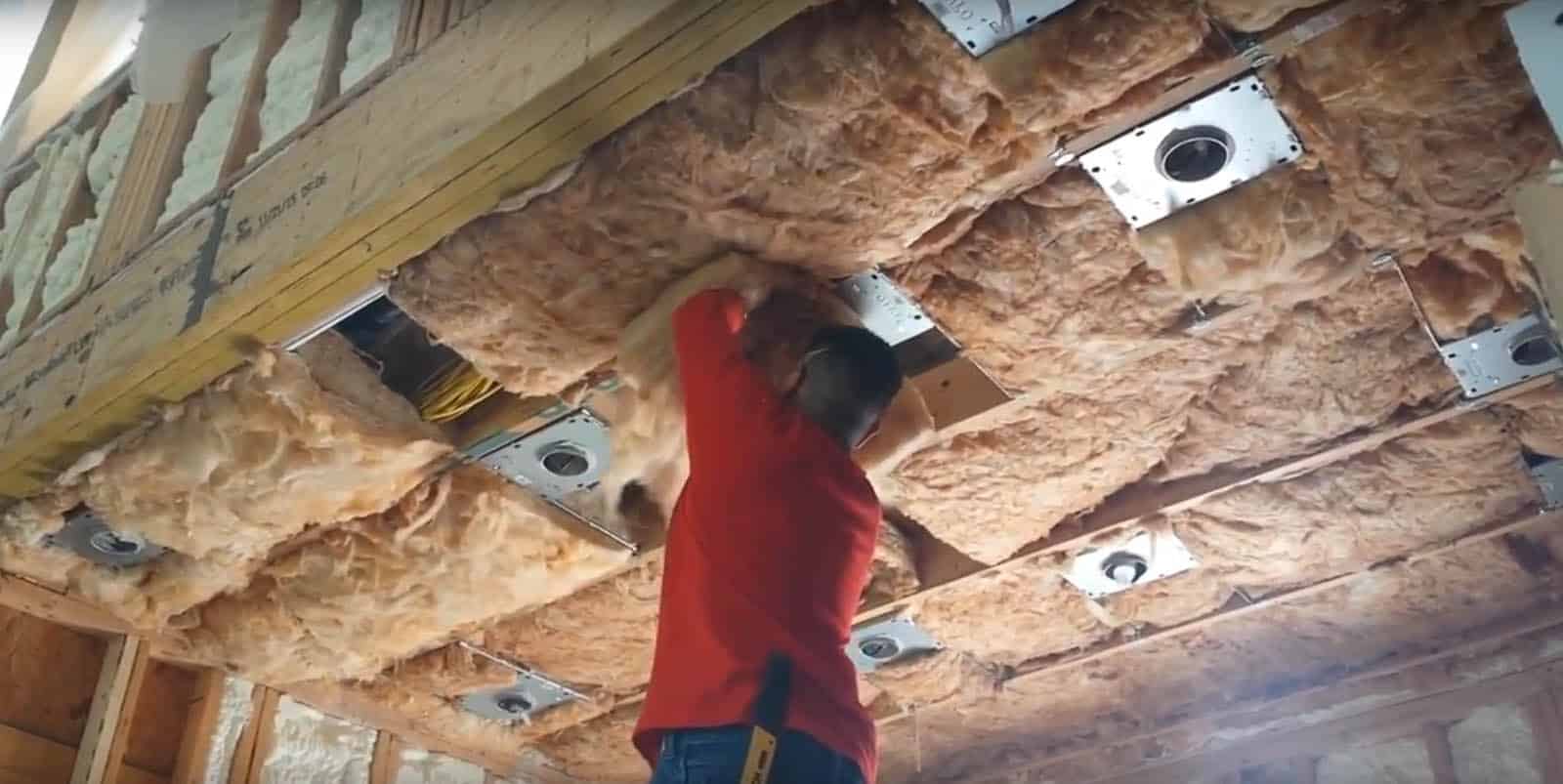
Katy is not one housing market. It spans Harris, Fort Bend and Waller counties and covers more than 200 subdivisions built across four decades. The attic above a 1985 home in Nottingham Country has almost nothing in common with the attic above a 2021 home in Sunterra, and the right insulation decision is rarely the same in both.
The established neighborhoods — Cinco Ranch, Kelliwood, Nottingham Country, Memorial Parkway, Cimarron, Green Trails and Grand Lakes — were largely built when attic insulation targets were considerably lower than what Houston-area construction uses today. A lot of that original material is still up there. It often looks acceptable from the attic hatch while sitting well below current recommended depth, and decades of roofing, electrical, HVAC and cable work have usually left it compressed, displaced or pushed back from the eaves.
The newer Grand Parkway corridor — Elyson, Sunterra, Cane Island, Cross Creek Ranch and Tamarron — generally started with more insulation, and tends to have a different problem. Air leakage at ceiling penetrations, thin coverage at framing transitions, and attic-mounted HVAC equipment with long duct runs sitting in a space that regularly passes 130°F on a Katy summer afternoon. Adding depth to an attic like that without addressing the ducts and the air sealing solves very little.
That is why the recommendation has to come from the attic itself rather than the ZIP code. We evaluate insulation depth and condition, attic access, roof configuration, ventilation, and the pathways where air moves between the living space and the attic — then explain what actually matters in that house and what does not.
Choose the service that best matches the attic condition or comfort problem you want to address. If the cause is unclear, describe the symptoms in the estimate form and our team can help determine the appropriate starting point.
Blown or batt fiberglass can restore thermal resistance where attic coverage is thin, uneven or no longer performing as intended.
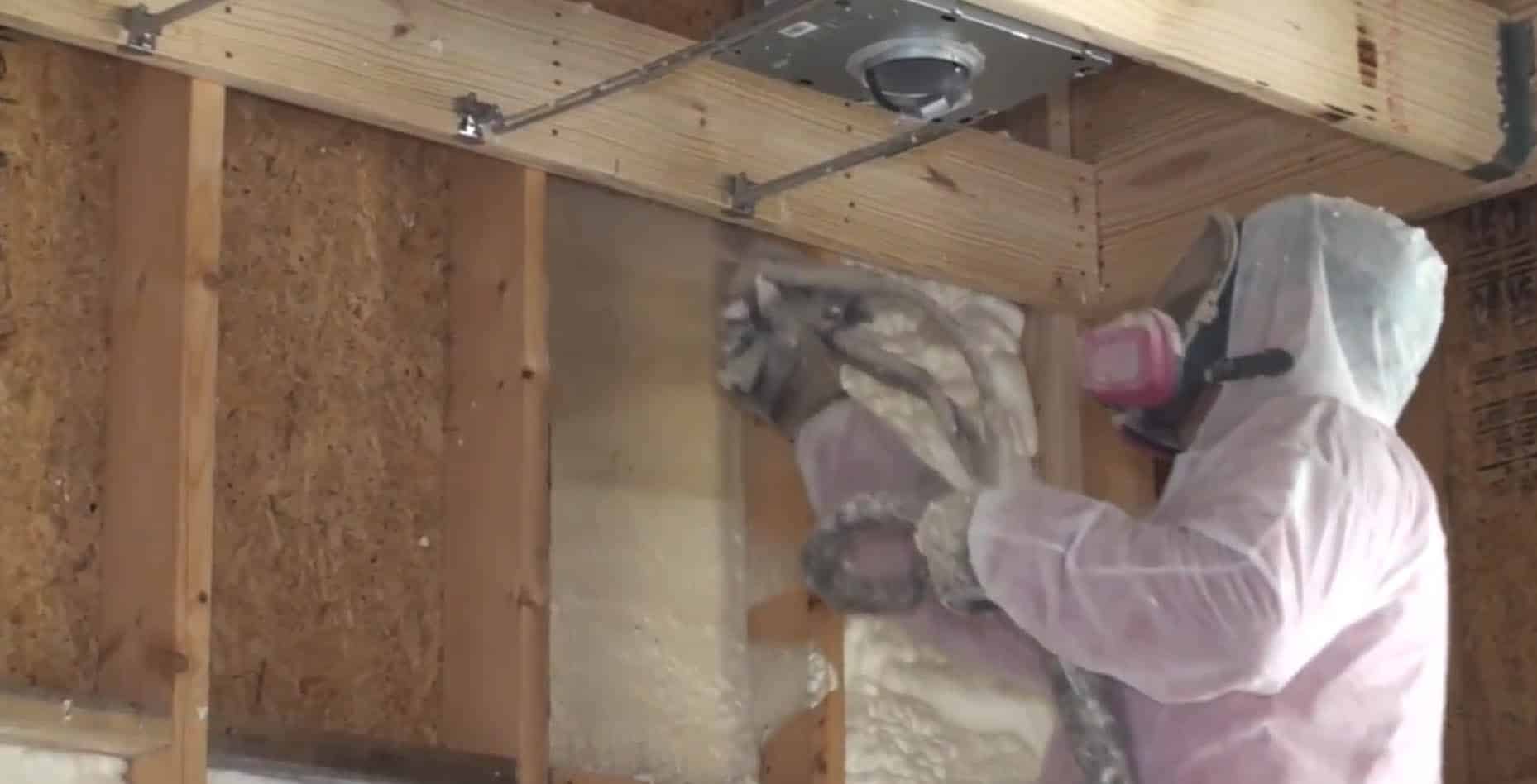
Open- or closed-cell spray foam may be appropriate when a project requires insulation combined with air sealing.
Radiant barrier foil helps reduce radiant heat transfer from the roof assembly into the attic and living space below.
Old, damaged or contaminated insulation can be removed before the attic is cleaned and prepared for the selected replacement system.
A solar attic fan may support attic ventilation when it is compatible with the roof, intake ventilation and overall attic design.
Katy has gone from a rice-farming town to one of the fastest-growing corners of metro Houston, and the building moved outward in waves. That history is visible from the attic. Cinco Ranch, Kelliwood and Nottingham Country sit under mature tree canopy that shades roofs through the afternoon. The newer sections along the Grand Parkway were built on open prairie, where the trees are still young and a large roof takes full west sun from midday until evening.
Two homes with identical insulation depth can perform very differently for that reason alone. Add Gulf Coast humidity, a cooling season that runs most of the year, and the fact that most Katy homes put HVAC equipment and ductwork in the attic, and that space becomes the single biggest variable in how the house feels in August.
Insulation also degrades in ways that are easy to miss. Settling, compression from storage, moisture from a past roof leak, pest activity and years of service work all reduce real coverage without looking dramatic from the attic hatch. Warm second-floor rooms, uneven temperatures, long cooling cycles and rising energy use are worth an evaluation — but they do not prove that every Katy home needs the same product or the same depth.

The right approach may involve restoring fiberglass coverage, sealing accessible air pathways, adding radiant heat control or removing damaged material before replacement. Roof design, attic ventilation, existing ductwork and the homeowner’s comfort concern determine which combination makes sense for that Katy property.
There is no honest one-product answer for every Katy house. Fiberglass, spray foam and radiant barrier address different parts of attic performance. A home near historic Katy may require a different plan than newer construction along the Grand Parkway, a remodeled property or a house with insulation already applied at the roof deck.
The attic needs practical thermal resistance, existing fiberglass can remain in place, or coverage needs to be restored with blown or batt material.
The project calls for stronger air sealing, a different thermal boundary or insulation applied directly to a roof deck or selected surface.
Reducing radiant heat from the roof assembly is an important part of the plan and the attic configuration supports proper foil installation.
Insulation removal may be recommended first when existing material is wet, contaminated, heavily damaged or prevents safe access to the attic floor. The evaluation should explain why removal is necessary and what replacement system is being proposed.
From the first call through the completed installation, the process should remain clear, organized and easy to understand.
Call or submit the form with your address and the symptoms you want evaluated, such as hot rooms, aging insulation or visible damage.
A technician reviews the relevant insulation and attic conditions, then explains the available options and their intended purpose.
After you choose an approach, the work is scheduled and completed according to the agreed scope with attention to your home.
The quality of a Katy insulation job comes down to preparation, consistent depth, eave and perimeter coverage, air-sealing detail and straight communication — not the product name on the proposal. Two crews can install the same material and leave very different results behind.
Ultimate Radiant Barrier & Insulation has served Greater Houston homeowners since 2006. We evaluate the attic first, explain what we find, and say plainly when the service you asked about is not the one that will help. A Katy home with decent depth and leaking attic ducts does not need more fiberglass, and we would rather tell you that than sell it to you.
If you want to understand the material choices before we come out, our guide to blown fiberglass insulation versus batts and rolls explains how each one performs in a Houston attic.
Yes. We work throughout the Katy area across Harris, Fort Bend, and Waller counties, including Cinco Ranch, Kelliwood, Nottingham Country, Memorial Parkway, Grand Lakes, Green Trails, Cimarron, Elyson, Sunterra, Cane Island, Tamarron, and Cross Creek Ranch.
Usually it is still doing something — just not enough. Homes from that period were built to attic insulation targets well below what Houston-area construction uses today, and thirty years of roofing, electrical and HVAC work tends to leave the material compressed, displaced or pulled back from the eaves. An evaluation tells you whether it should be topped up or taken out first.
Depth is only part of the picture. In most Katy two-story homes the HVAC equipment and duct runs sit in the attic, where summer temperatures pass 130°F. Leaking or poorly insulated ducts, combined with unsealed ceiling penetrations, can move far more heat into the second floor than a few extra inches of fiberglass will offset.
They do different jobs. Radiant barrier reduces heat radiating down from a hot roof deck. Insulation slows heat moving through the ceiling. Which one to do first depends on your existing depth, the roof configuration and where the discomfort actually shows up — and if adding insulation alone would serve you better, we will say so.
Attic insulation is interior work and is not normally an HOA matter. Newer homes in communities like Elyson, Sunterra and Cane Island may still be inside a builder warranty period, so it is worth checking your builder documentation before any attic work is scheduled. We will work within whatever that documentation requires.
Both. Clean, dry material can often stay in place and be topped up. Insulation that is wet, compressed, rodent-contaminated or damaged by a roof leak should come out first — burying it does not solve the problem. We tell you which situation you are in before any work is scheduled. See our insulation removal services.
Tell us what you are experiencing in your Katy home. A member of the Ultimate Radiant Barrier & Insulation team will follow up to discuss your needs and the next step.
Professional Greater Houston insulation service since 2006.