7 Reasons to Hire a Professional Insulation Contractor
Some small insulation projects are manageable for an experienced homeowner. A Houston attic, however, can combine extreme heat, fragile ceiling drywall, electrical hazards, flues, recessed fixtures, ducts, moisture, pests, and difficult eaves. The material itself is only one part of the job.
A professional insulation contractor should evaluate the attic as a system, identify the actual performance problem, and document the work. Here are seven situations in which that expertise can make a meaningful difference.
1. The Problem May Not Be Insulation Alone
Hot rooms, long HVAC run times, and high electricity use can result from shallow insulation, but they may also involve ceiling air leaks, damaged ducts, blocked ventilation, moisture, solar exposure, or HVAC issues. Simply adding more material can leave the main cause untouched.
A useful attic evaluation reviews:
- Insulation type, depth, condition, and coverage
- Accessible air-leakage paths
- Visible duct damage or condensation
- Soffit intake and exhaust ventilation
- Roof or plumbing moisture
- Attic access, electrical components, flues, and fixtures
The contractor should explain which observations support the recommendation rather than offering the same package for every home.
2. Air Sealing Requires the Right Sequence and Materials
Fiberglass and other air-permeable insulation slow heat flow but do not reliably stop air moving through ceiling penetrations. Open chases, plumbing and wiring holes, top plates, duct boots, attic hatches, and dropped soffits may need sealing before new loose fill makes them difficult to reach.
Different locations require different materials. Ordinary foam should not be used where a high-temperature sealant, metal flashing, or a required clearance is appropriate. A professional crew should understand when an opening can be sealed and when it must remain clear for safety or ventilation.
3. Attic Work Has Real Safety Hazards
Attics are not designed as comfortable workspaces. Common hazards include:
- Extreme daytime temperatures
- Exposed roofing nails and sharp fasteners
- Ceiling drywall between framing members
- Electrical wiring and junction boxes
- Chimneys, flues, and hot equipment
- Low clearance and restricted exits
- Dust, fiberglass, pest waste, and suspect materials
Appropriate protective equipment, lighting, access, fall awareness, and heat precautions matter. Some older attics may contain vermiculite that should not be disturbed until evaluated for asbestos.
4. Existing Insulation Must Be Evaluated Before It Is Covered
Old insulation does not automatically require removal. Clean, dry, uncontaminated material may remain beneath a compatible new layer. Conversely, wet or contaminated insulation should not be buried.
A professional assessment can distinguish among:
- A straightforward top-up
- Localized repairs and redistribution
- Partial removal around damaged areas
- Complete removal for widespread contamination or access
Roof leaks, plumbing leaks, HVAC condensation, and pest entry should be corrected before new insulation is installed. Our Houston insulation removal guide explains the decision in more detail.
5. Installation Quality Determines Real Performance
An insulation label describes the product under specified conditions. Actual attic performance depends on continuous coverage, full installed depth, dryness, and the absence of gaps or compression.
For blown insulation, the proposal and completed job should document:
- Product manufacturer and product name
- Coverage area
- Target R-value
- Required installed depth
- Number of bags used
- Depth markers across the attic
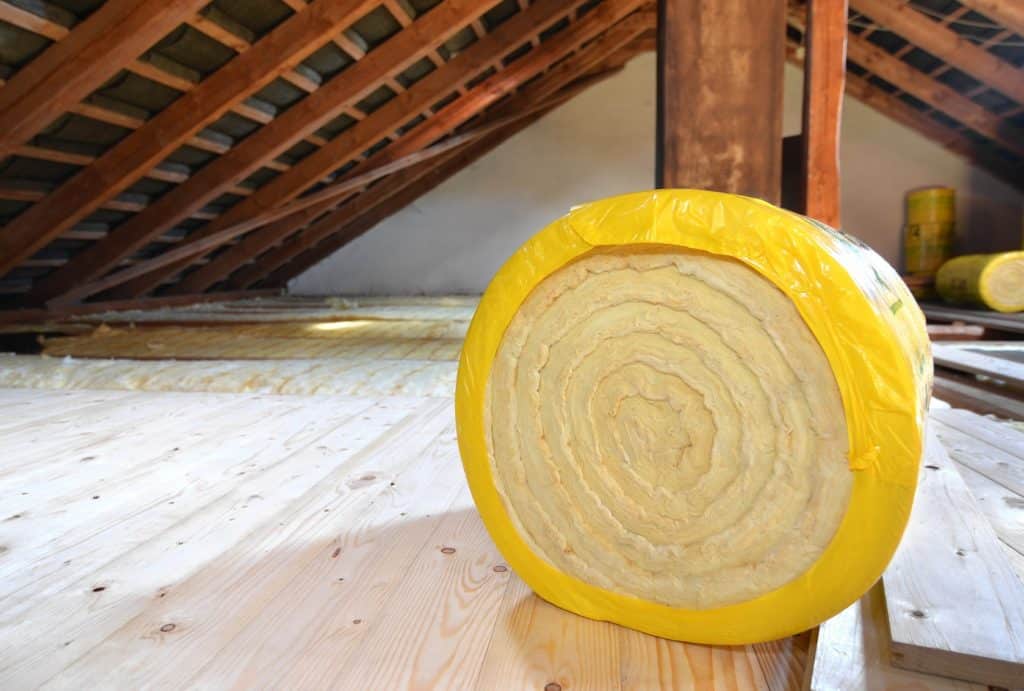
Batts should be cut to fit around framing and obstructions without folds or gaps. They should not be compressed beneath cables, pipes, or storage. Learn more in our comparison of blown fiberglass insulation versus rolls.
6. Ventilation, Ducts, and Equipment Need Protection
In a conventional vented attic, insulation should extend toward the perimeter without blocking designed soffit intake. Baffles preserve an air channel, while dams keep loose material away from vents, attic hatches, fixtures, platforms, and mechanical equipment.
Ducts also deserve attention. Adding attic-floor insulation will not repair a disconnected supply, leaking return, torn jacket, or condensation problem. An insulation contractor may not perform HVAC repairs, but visible concerns should be documented so the appropriate trade can address them.
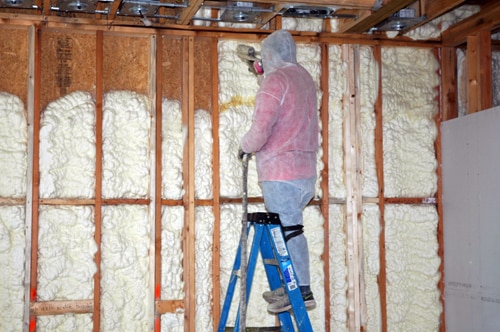
Homes considering roofline spray foam require a different enclosure plan involving attic humidity, ventilation, combustion equipment, and fire protection. That is not simply a thicker version of attic-floor insulation.
7. A Professional Scope Makes the Work Verifiable
A verbal promise to “add insulation” is difficult to compare or inspect. A written scope should define the existing conditions, preparation, product, target, exclusions, cleanup, and warranty.
Before work begins, ask for:
- Measured square footage and inaccessible areas
- Specific air-sealing work
- Removal and disposal details
- Product, R-value, depth, and bag count
- Baffles, dams, hatch treatment, and access provisions
- Protection for fixtures, flues, wiring, and equipment
- Completion photographs or other documentation
- Material and workmanship warranty terms
This documentation protects both the homeowner and the contractor by defining what is—and is not—included.
When DIY Attic Insulation May Be Reasonable
A small, open, easily accessible attic with no moisture, contamination, suspect materials, complex wiring, combustion equipment, or difficult eaves may be suitable for an experienced homeowner. The person doing the work should still understand product coverage charts, air sealing, ventilation clearances, protective equipment, and safe attic movement.
Stop and call a professional when conditions are uncertain. The cost of correcting hidden moisture, damaged ducts, blocked vents, or a ceiling fall can exceed the labor saved.
How to Evaluate an Insulation Contractor
Professional does not automatically mean qualified. Compare contractors based on diagnosis, written scope, relevant insurance, experience with the proposed system, safety practices, product documentation, and willingness to explain alternatives.
Avoid proposals built around guaranteed savings percentages or pressure to remove serviceable insulation without evidence. For a complete selection checklist, see how to choose a Houston insulation contractor.
Request a Professional Houston Attic Evaluation
Ultimate Radiant Barrier has served Greater Houston since 2006 and brings 57 years of insulation-industry experience to residential and commercial projects. We evaluate the building before recommending fiberglass, spray foam, radiant barrier, or insulation removal.
Explore our Houston attic insulation service or request a free estimate.
Call 713-805-0394 to discuss your project.