Mon - Sat 8AM - 7PM

Cypress covers a broad and fast-growing part of northwest Harris County along US 290 and the Grand Parkway. The area includes long-established neighborhoods, acreage properties and newer master-planned communities, which means attic size, roof design, insulation type and construction details can differ considerably from one home to the next.
What Cypress homes share is a long cooling season, strong roof heat and sustained air-conditioning demand. Ultimate Radiant Barrier & Insulation provides professional insulation services in Cypress, TX, including fiberglass attic insulation, spray foam insulation, radiant barrier foil and insulation removal.
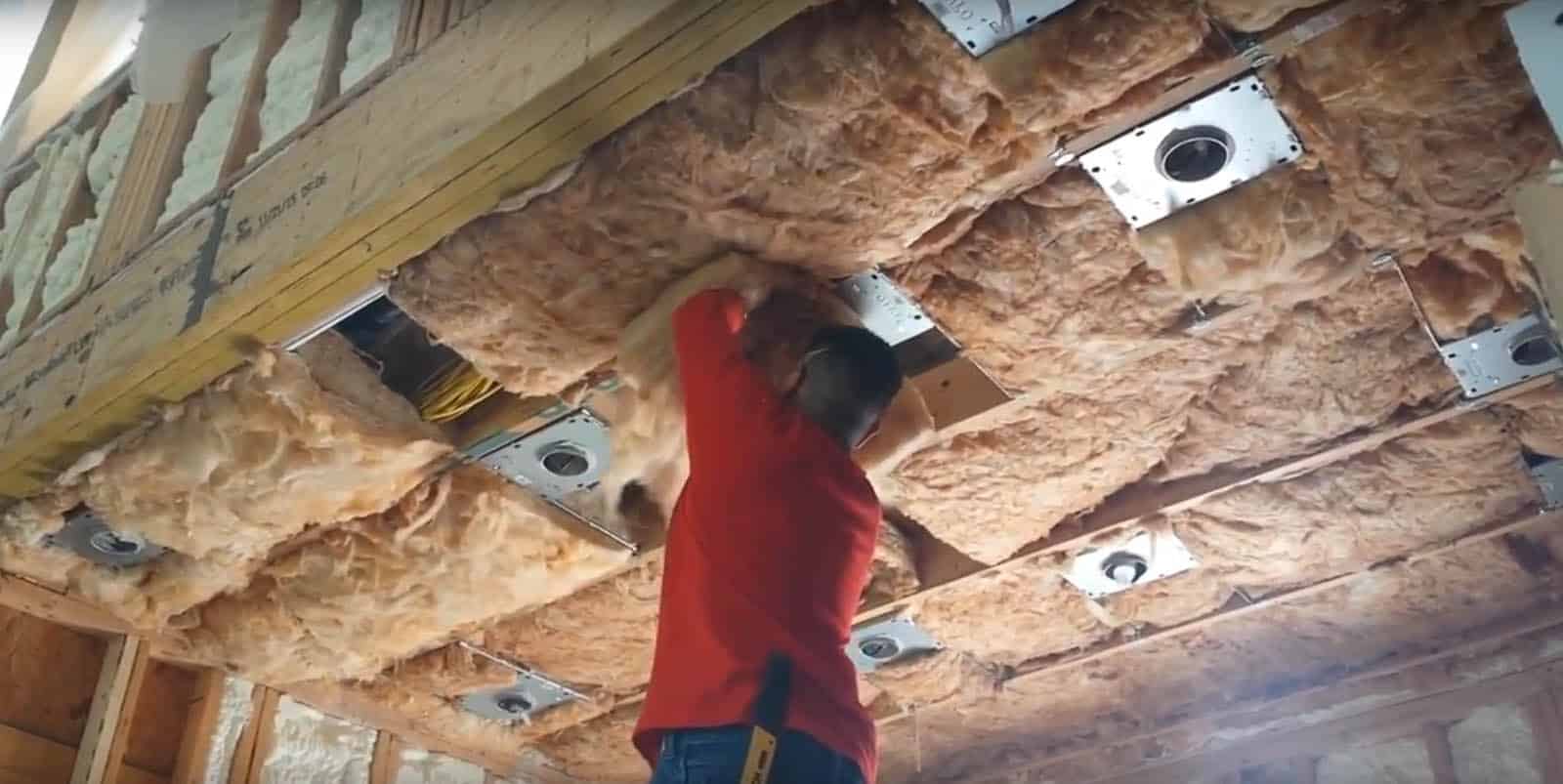
Cypress grew faster than almost anywhere in Harris County. Bridgeland, Towne Lake, Fairfield, Coles Crossing, Blackhorse Ranch, Miramesa and Cypress Creek Lakes put tens of thousands of homes on the ground between the late 1990s and today, most of them by production builders working to a tight spec.
That produces a pattern we see again and again here. Homes built to the code minimum of their year rather than the optimum. Insulation blown to the shallowest depth that satisfied inspection, thinning further at the eaves where the hose could not reach cleanly. Air sealing done to whatever the standard of the day required, which for much of that period was very little. HVAC equipment and long duct runs placed in the attic because that was the cheapest place to put them.
None of that is a defect in the legal sense. Every one of those houses passed. But code minimum is a floor, not a target, and a Cypress home can be entirely compliant and still run hot upstairs and cost more to cool than it should.
The useful part is that the pattern repeats. When the homes on a street went up by the same builder in the same year, they tend to share the same weak points — so we often know what to look for before the hatch is open.
Choose the service that best matches the attic condition or comfort problem you want to address. If the cause is unclear, describe the symptoms in the estimate form and our team can help determine the appropriate starting point.
Blown or batt fiberglass can restore thermal resistance where attic coverage is thin, uneven or no longer performing as intended.
Open- or closed-cell spray foam may be appropriate when a project requires insulation combined with air sealing.
Radiant barrier foil helps reduce radiant heat transfer from the roof assembly into the attic and living space below.
Old, damaged or contaminated insulation can be removed before the attic is cleaned and prepared for the selected replacement system.
A solar attic fan may support attic ventilation when it is compatible with the roof, intake ventilation and overall attic design.
The most common thing we find in a Cypress attic is not damage. It is a system that was built to the least it could be.
Blown insulation settles, so a depth that was already marginal at inspection is thinner now. Coverage runs out before the eaves, leaving the perimeter of the ceiling barely protected. Baffles are missing or crushed, so soffit ventilation is partly blocked. Duct connections that were adequate at handover have loosened, and every joint that leaks is dumping cooled air into a space above 130°F.
Homeowners experience that as a second floor that will not hold temperature, a system running almost continuously through August, and bills that seem high for a house this new. On a fifteen-year-old home that combination is rarely one large fault. It is usually four small ones adding up.
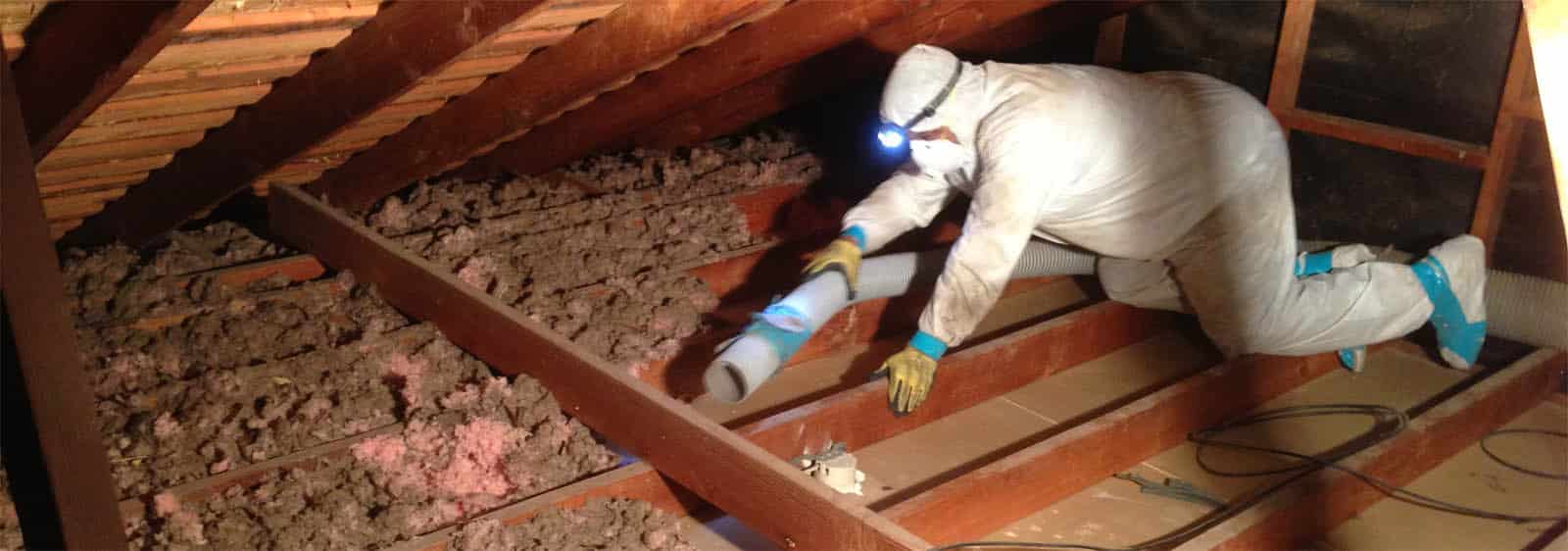
Because these homes were built to a pattern, the corrections follow one too: seal the accessible penetrations, restore eave coverage and baffles, address what the ductwork is losing, and bring the depth up from the minimum to something that actually performs. Doing only the last of those is the common and expensive mistake.
There is no honest one-product answer for every Cypress house. Fiberglass, spray foam and radiant barrier address different parts of attic performance. A newer home with a conventional vented attic may require a different solution than an older property, a room addition or a house with insulation applied at the roof deck.
The attic needs practical thermal resistance, existing fiberglass can remain in place, or coverage needs to be restored with blown or batt material.
The project calls for stronger air sealing, a different thermal boundary or insulation applied directly to a roof deck or selected surface.
Reducing radiant heat from the roof assembly is an important part of the plan and the attic configuration supports proper foil installation.
Insulation removal may be recommended first when existing material is wet, contaminated, heavily damaged or prevents safe access to the attic floor. The evaluation should explain why removal is necessary and what replacement system is being proposed.
From the first call through the completed installation, the process should remain clear, organized and easy to understand.
Call or submit the form with your address and the symptoms you want evaluated, such as hot rooms, aging insulation or visible damage.
A technician reviews the relevant insulation and attic conditions, then explains the available options and their intended purpose.
After you choose an approach, the work is scheduled and completed according to the agreed scope with attention to your home.
On a production-built home the value is in knowing which of the usual problems is costing you the most. Adding eight inches of fiberglass over leaking ductwork is an expensive way to change very little.
Ultimate Radiant Barrier & Insulation has served Greater Houston homeowners since 2006. We look at the attic as a system rather than quoting a depth, and we will tell you when your money is better spent somewhere other than insulation.
Our article on why an upstairs stays hot even after adding insulation covers this exact situation.
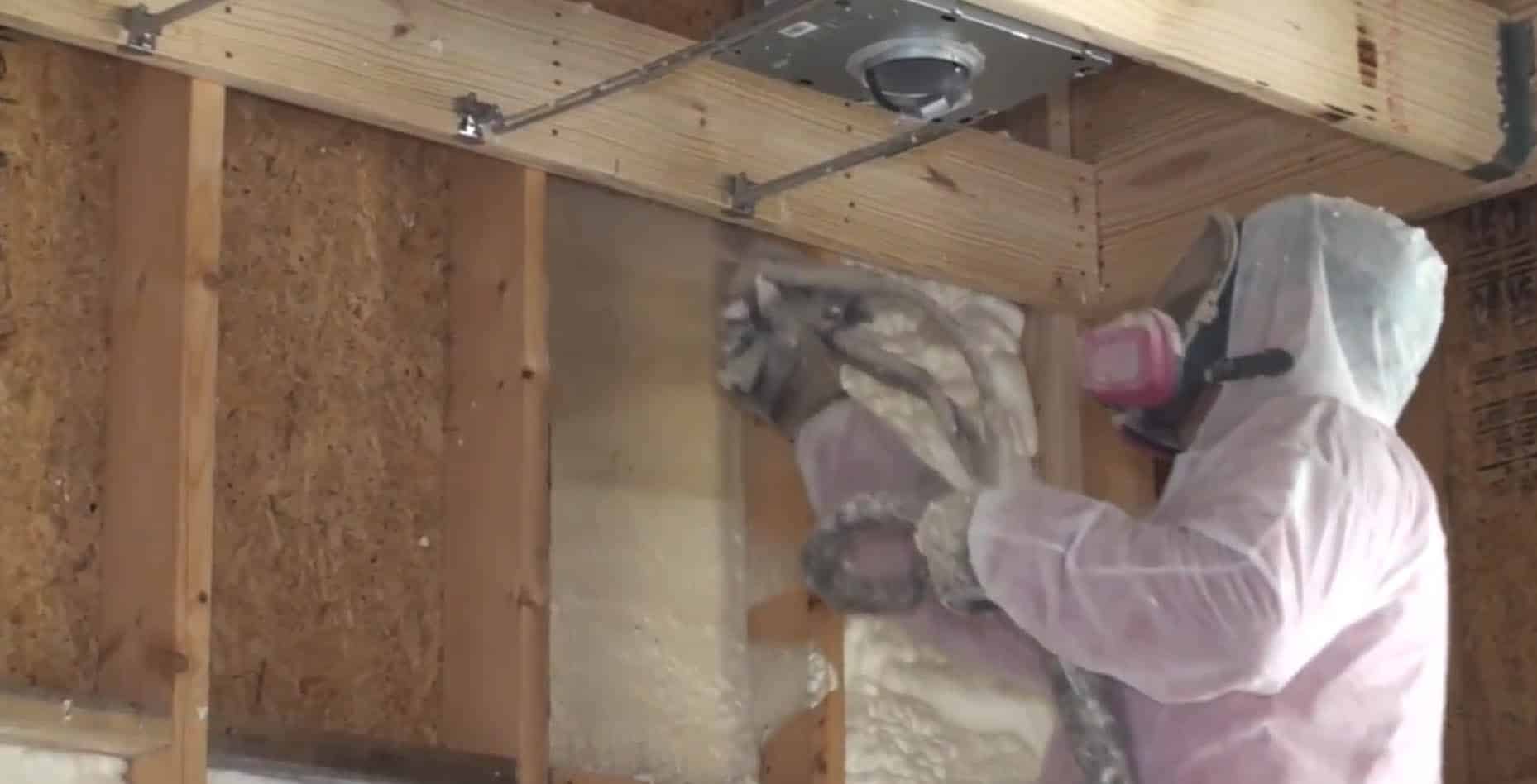
Yes. We cover the Cypress area of northwest Harris County, including Bridgeland, Towne Lake, Fairfield, Coles Crossing, Blackhorse Ranch, Miramesa, Cypress Creek Lakes, and Stone Gate.
Because it was probably built to the minimum standard of its year, and blown insulation settles from there. Add thin eave coverage, crushed baffles and duct joints that have loosened since handover, and a newer home can underperform an older one that has been properly retrofitted. Age is not the same thing as performance.
It means the house met the legal minimum on the day it was inspected. Code is a floor rather than a recommendation, standards have risen since much of Cypress was built, and settling reduces what is actually up there over time. Compliant and comfortable are two different tests.
Sometimes, and sometimes not. If the attic ducts are leaking or poorly insulated, adding depth over the top of them changes very little, because the cooled air is being lost before it reaches the room. We check the ductwork and the air sealing alongside the insulation so you are not paying to fix the wrong thing.
It matters more, not less — which is why thin eaves are such a common problem. The perimeter sits directly above the outside walls and the rooms you use, and it is the hardest area to reach with a blower. A deep pile in the center of the attic does not compensate for bare framing at the edges.
It can be, particularly where the HVAC equipment and ducts sit in the attic, because sealing at the roofline brings them into a more moderate space. It is also a bigger commitment — it changes attic ventilation, humidity behavior and future access, and it needs planning rather than being sold as a default upgrade. We will lay out both options honestly.
Tell us what you are experiencing in your Cypress home. A member of the Ultimate Radiant Barrier & Insulation team will follow up to discuss your needs and the next step.
Professional Greater Houston insulation service since 2006.