Mon - Sat 8AM - 7PM

Richmond is the county seat of Fort Bend County and sits along the Brazos River. Its housing includes older properties near the historic core, established neighborhoods and newer development throughout the surrounding Richmond area, creating substantial differences in rooflines, attic access and insulation history.
Across the area, long cooling seasons, direct roof heat and Gulf Coast humidity place sustained demands on attics and air-conditioning systems. Ultimate Radiant Barrier & Insulation provides professional insulation services in Richmond, TX, including fiberglass attic insulation, spray foam insulation, radiant barrier foil and insulation removal.

Richmond is the Fort Bend County seat and one of the oldest towns in Texas, chartered in 1837. It also sits directly in the path of the Grand Parkway’s growth. Aliana, Harvest Green, Long Meadow Farms, Grand Mission and Waterside Estates went up over the last twenty years, while the historic streets near downtown hold houses a century older than that.
No other city we serve has that spread, and in the attic the difference is not one of degree. A pre-war home is a genuinely different structure. Many were built with plank decking rather than continuous sheathing, with no soffit vents at all, and with balloon framing that leaves open paths running from the wall cavities straight up into the attic. Some still carry original wiring that requires clearance from any insulation placed near it.
Adding depth to an attic like that without addressing those things can make matters worse rather than better. Sealing the framing chases and establishing what ventilation actually exists has to come first.
The newer Richmond communities present the ordinary modern picture instead — reasonable depth, ductwork in the attic, and air sealing done to the minimum standard of its year.
Choose the service that best matches the attic condition or comfort problem you want to address. If the cause is unclear, describe the symptoms in the estimate form and our team can help determine the appropriate starting point.
Blown or batt fiberglass can restore thermal resistance where attic coverage is thin, uneven or no longer performing as intended.
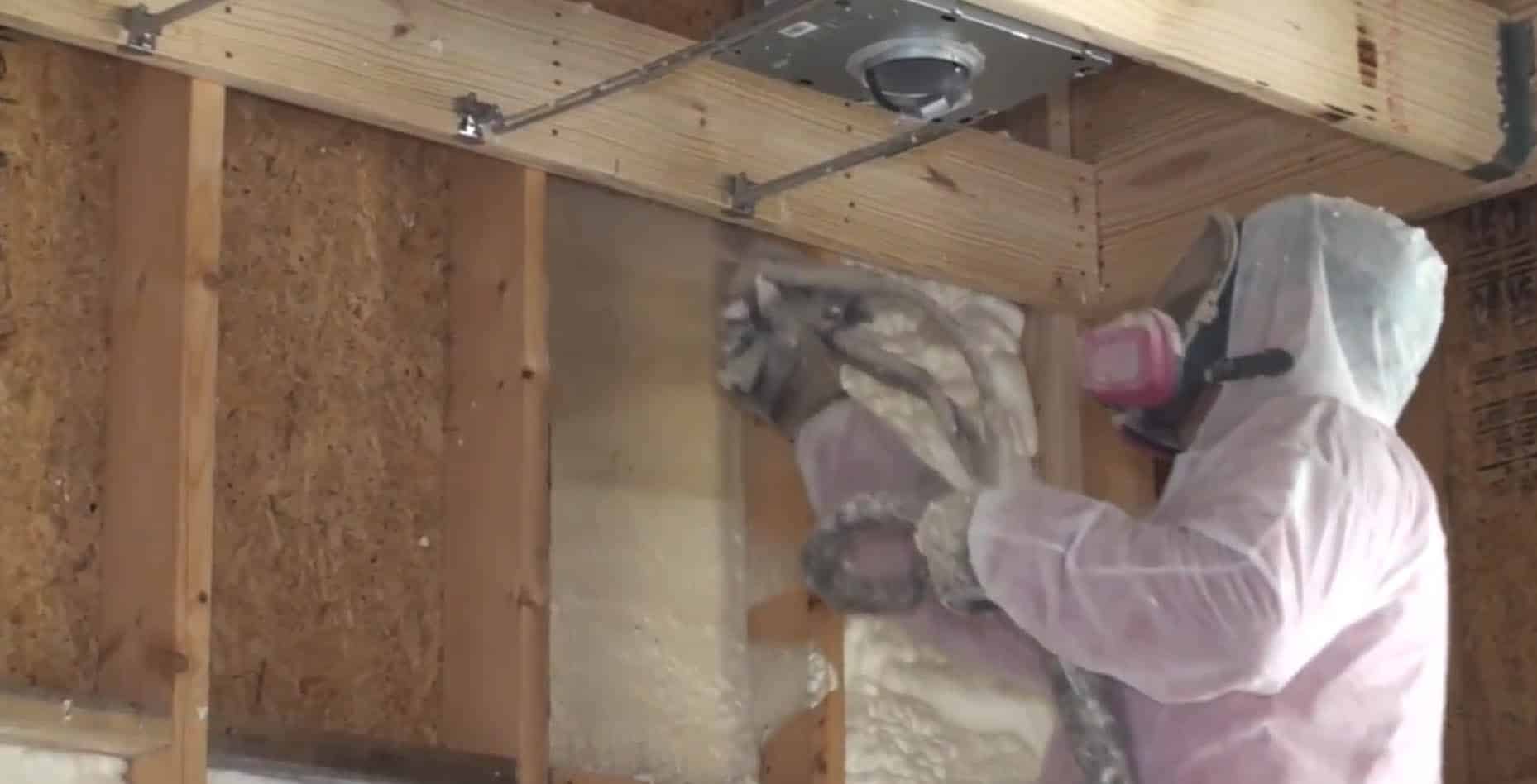
Open- or closed-cell spray foam may be appropriate when a project requires insulation combined with air sealing.
Radiant barrier foil helps reduce radiant heat transfer from the roof assembly into the attic and living space below.
Old, damaged or contaminated insulation can be removed before the attic is cleaned and prepared for the selected replacement system.
A solar attic fan may support attic ventilation when it is compatible with the roof, intake ventilation and overall attic design.
In a historic Richmond home the questions are structural before they are about R-value. Is there intake ventilation at the eaves, or was the house simply built without it? Are there open chases running from the walls into the attic? Is the existing wiring safe to insulate around, or does it need clearance or replacement first? Is the decking sound?
Those homes often carry very little insulation because the concept barely existed when they were built. Whatever has been added since was frequently laid in by an owner rather than installed, and it tends to sit in patches with gaps at every obstruction.
In the newer communities the picture is the familiar one: reasonable depth settling toward marginal, thin coverage at the eaves, and ductwork sitting in a very hot attic.
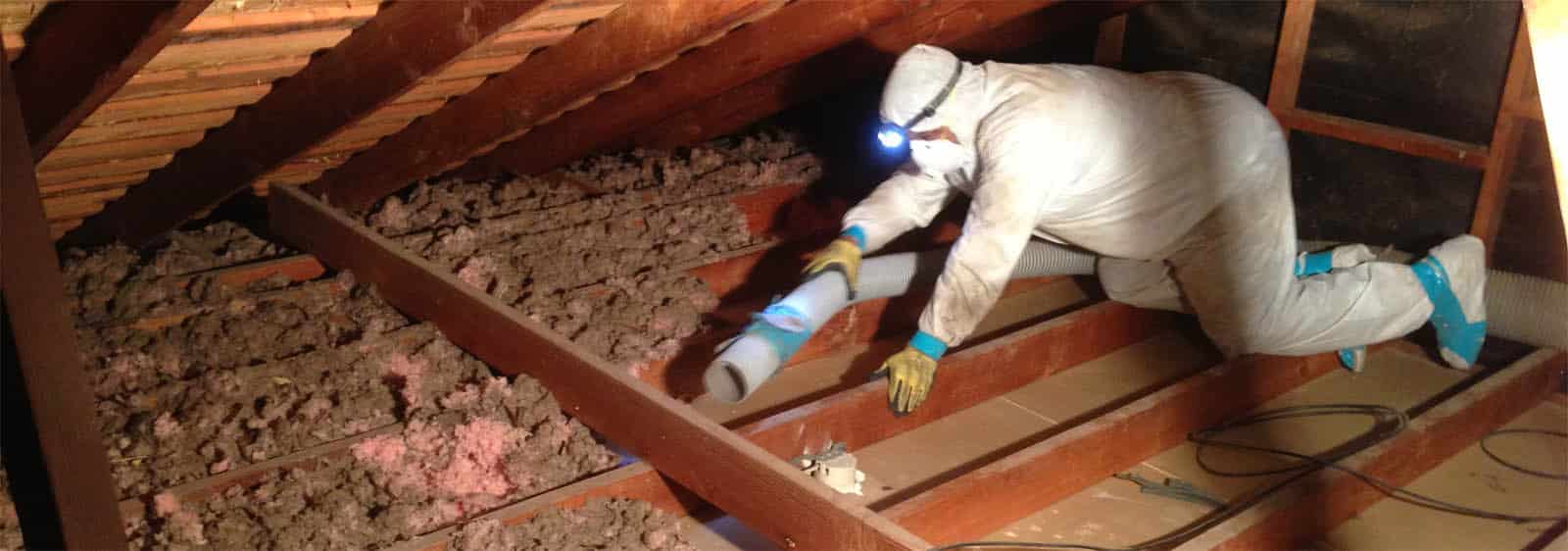
The practical difference is that a historic home needs its structure understood before anything is added, while a modern one needs its air sealing and ductwork addressed before extra depth is worth paying for. In both cases the mistake is identical — buying inches without asking what else is going on up there.
There is no honest one-product answer for every Richmond house. Fiberglass, spray foam and radiant barrier address different parts of attic performance. An older home near central Richmond may require a different plan than newer construction, a remodeled property or a house with insulation already applied at the roof deck.
The attic needs practical thermal resistance, existing fiberglass can remain in place, or coverage needs to be restored with blown or batt material.
The project calls for stronger air sealing, a different thermal boundary or insulation applied directly to a roof deck or selected surface.
Reducing radiant heat from the roof assembly is an important part of the plan and the attic configuration supports proper foil installation.
Insulation removal may be recommended first when existing material is wet, contaminated, heavily damaged or prevents safe access to the attic floor. The evaluation should explain why removal is necessary and what replacement system is being proposed.
From the first call through the completed installation, the process should remain clear, organized and easy to understand.
Call or submit the form with your address and the symptoms you want evaluated, such as hot rooms, aging insulation or visible damage.
A technician reviews the relevant insulation and attic conditions, then explains the available options and their intended purpose.
After you choose an approach, the work is scheduled and completed according to the agreed scope with attention to your home.
We are careful in old houses, and we would far rather tell you a job needs an electrician or a roofer first than take the work and hope for the best.
Ultimate Radiant Barrier & Insulation has served Greater Houston homeowners since 2006. We look at what the structure will actually allow, explain the options honestly, and scope the work to what the house needs rather than to what is easiest to sell.
Our overview of home insulation types and where they work covers the material options in plain terms.
Yes. We cover Richmond throughout Fort Bend County, including Aliana, Harvest Green, Long Meadow Farms, Pecan Grove, Grand Mission, Waterside Estates, and the historic districts near downtown.
Usually yes, but not as a simple top-up. On a house of that age we need to establish what ventilation exists, whether there are open framing chases carrying air up from the walls, and whether the wiring and decking are in a condition to work around. Those answers shape what can safely be installed and how much good it will do.
It matters a great deal, and it is common in genuinely old homes that were built before attic ventilation was standard practice. Without intake at the eaves, exhaust vents higher up have nothing to draw through. That needs to be understood before insulation is added, because burying the problem under new material makes it harder to address later.
It can be. Older wiring types and non-IC-rated light fixtures require clearance and must not be buried under loose fill. If we find wiring that concerns us, we will tell you to have an electrician look at it before we install anything over it. That is not us being difficult — it is the part of this job where getting it wrong matters most.
Often it needs nothing yet, and we will say so. Where newer homes do benefit is air sealing at ceiling penetrations and confirming the attic ductwork is not losing conditioned air — both of which are cheaper than insulation and frequently make more difference on a house that already has adequate depth.
Yes, and blown material is generally better suited to it than batts, because it flows around irregular joist spacing and obstructions that pre-cut blankets cannot fit cleanly. The care goes into depth control, keeping clear of anything that needs clearance, and not blocking whatever ventilation the house has.
Tell us what you are experiencing in your Richmond home. A member of the Ultimate Radiant Barrier & Insulation team will follow up to discuss your needs and the next step.
Professional Greater Houston insulation service since 2006.