Mon - Sat 8AM - 7PM

Sugar Land is known for its master-planned communities and welcoming neighborhoods, but the city’s homes span many construction periods and architectural styles. Attic size, roofline complexity, ventilation and existing insulation can differ considerably between established areas and newer development.
Long cooling seasons, direct roof heat and Gulf Coast humidity place sustained demands on local attics. Ultimate Radiant Barrier & Insulation provides professional insulation services in Sugar Land, TX, including fiberglass attic insulation, spray foam insulation, radiant barrier foil and insulation removal.
Sugar Land is largely built out, which makes it a very different insulation market from the newer suburbs west of it. Almost every attic here is a retrofit, and the housing stock spans roughly fifty years of changing construction standards.
Sugar Creek and the older sections of First Colony date to the 1970s and 1980s, when attic insulation targets were a fraction of what Houston-area builders work to now. New Territory and the later First Colony phases followed in the 1990s. Telfair, Riverstone and Imperial — the last of those built on the old Imperial Sugar refinery grounds the city takes its name from — came decades later with considerably more insulation but a different set of weak points.
In the older neighborhoods the material is usually still the original install. It has settled, been walked on, been pushed aside for a dozen HVAC and electrical service calls, and no longer reaches the eaves. In the newer communities the depth is often adequate while air leakage at ceiling penetrations and heat gain from attic ductwork quietly undo it.
Age alone does not decide the answer. A 1978 Sugar Creek attic with clean, dry material may only need topping up and sealing, while a 2015 attic with leaking ducts may need work that has nothing to do with insulation depth at all. That is what the evaluation is for.
Choose the service that best matches the attic condition or comfort problem you want to address. If the cause is unclear, describe the symptoms in the estimate form and our team can help determine the appropriate starting point.
Blown or batt fiberglass can restore thermal resistance where attic coverage is thin, uneven or no longer performing as intended.
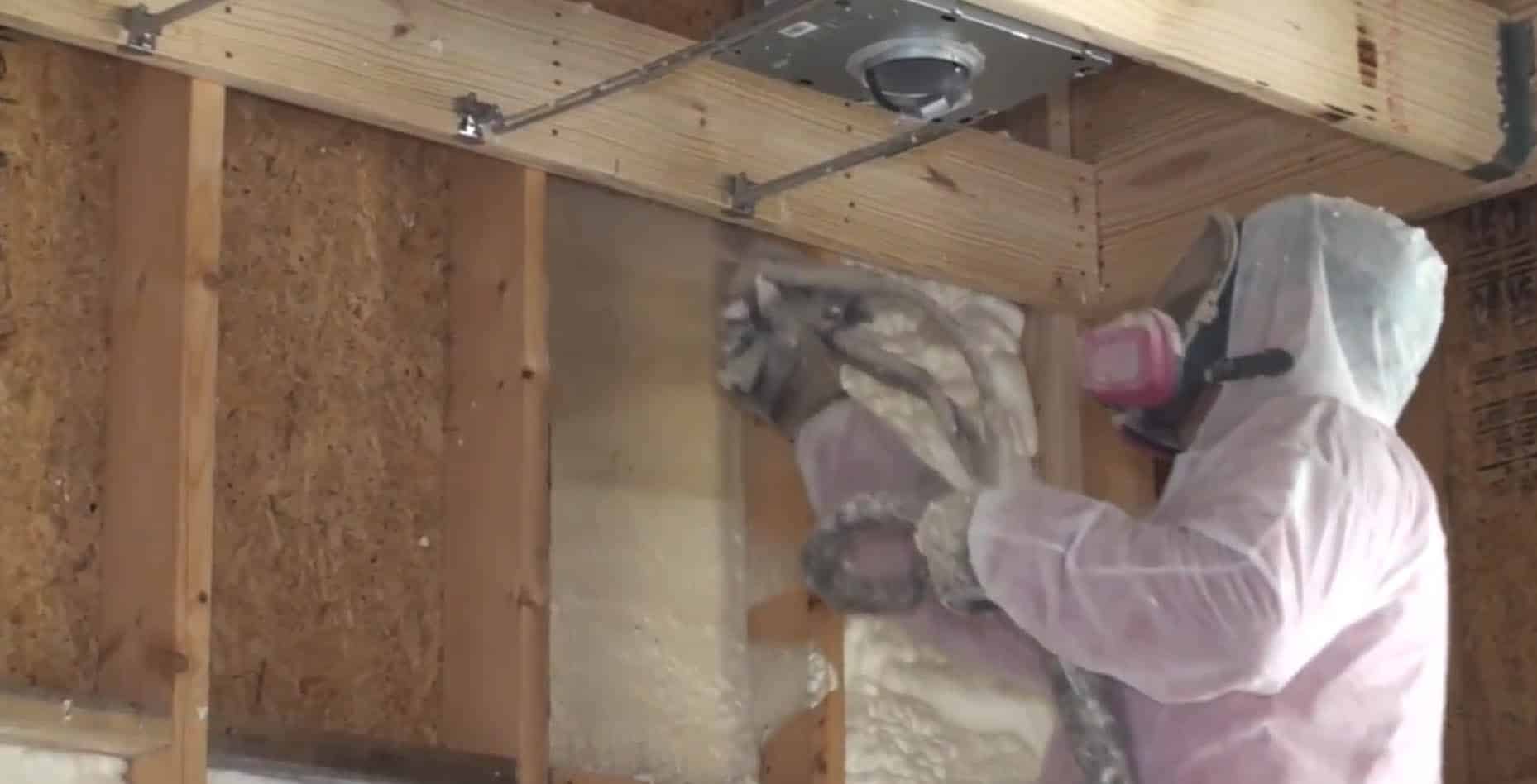
Open- or closed-cell spray foam may be appropriate when a project requires insulation combined with air sealing.
Radiant barrier foil helps reduce radiant heat transfer from the roof assembly into the attic and living space below.
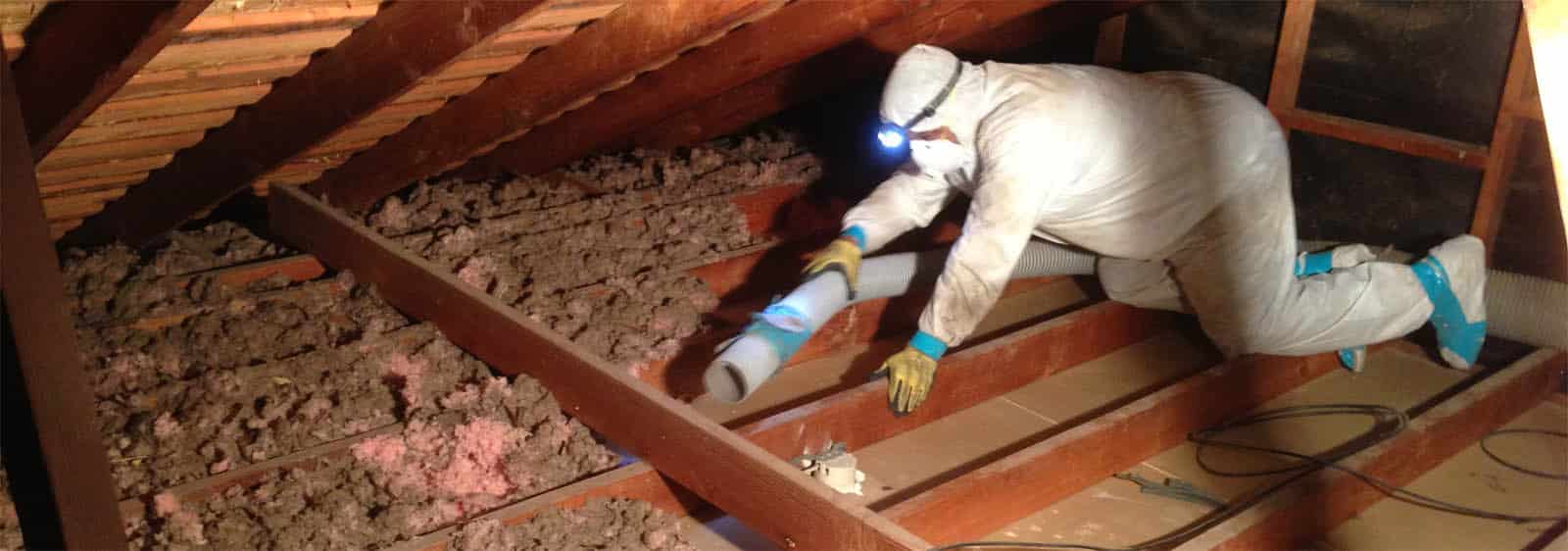
Old, damaged or contaminated insulation can be removed before the attic is cleaned and prepared for the selected replacement system.
A solar attic fan may support attic ventilation when it is compatible with the roof, intake ventilation and overall attic design.
Sugar Land’s established neighborhoods have something the newer suburbs do not: three to five decades of accumulated attic history. Every roof replacement, every HVAC changeout, every recessed light and ceiling fan added along the way left a mark up there.
Insulation gets compressed under storage and foot traffic, pushed back from the perimeter, and displaced around each new duct run and junction box. Radiant heat off a large roof surface reaches the ceiling more easily wherever coverage has thinned. Gulf Coast humidity adds moisture that older material holds longer than it should. None of it is dramatic enough to notice from the attic hatch.
What homeowners notice instead is a second floor that runs warmer than the first, rooms that never quite match the thermostat, cooling cycles that stretch a little longer each summer, and bills that climb without an obvious cause. Those symptoms justify a look. They do not tell you which of several possible causes is actually driving them.
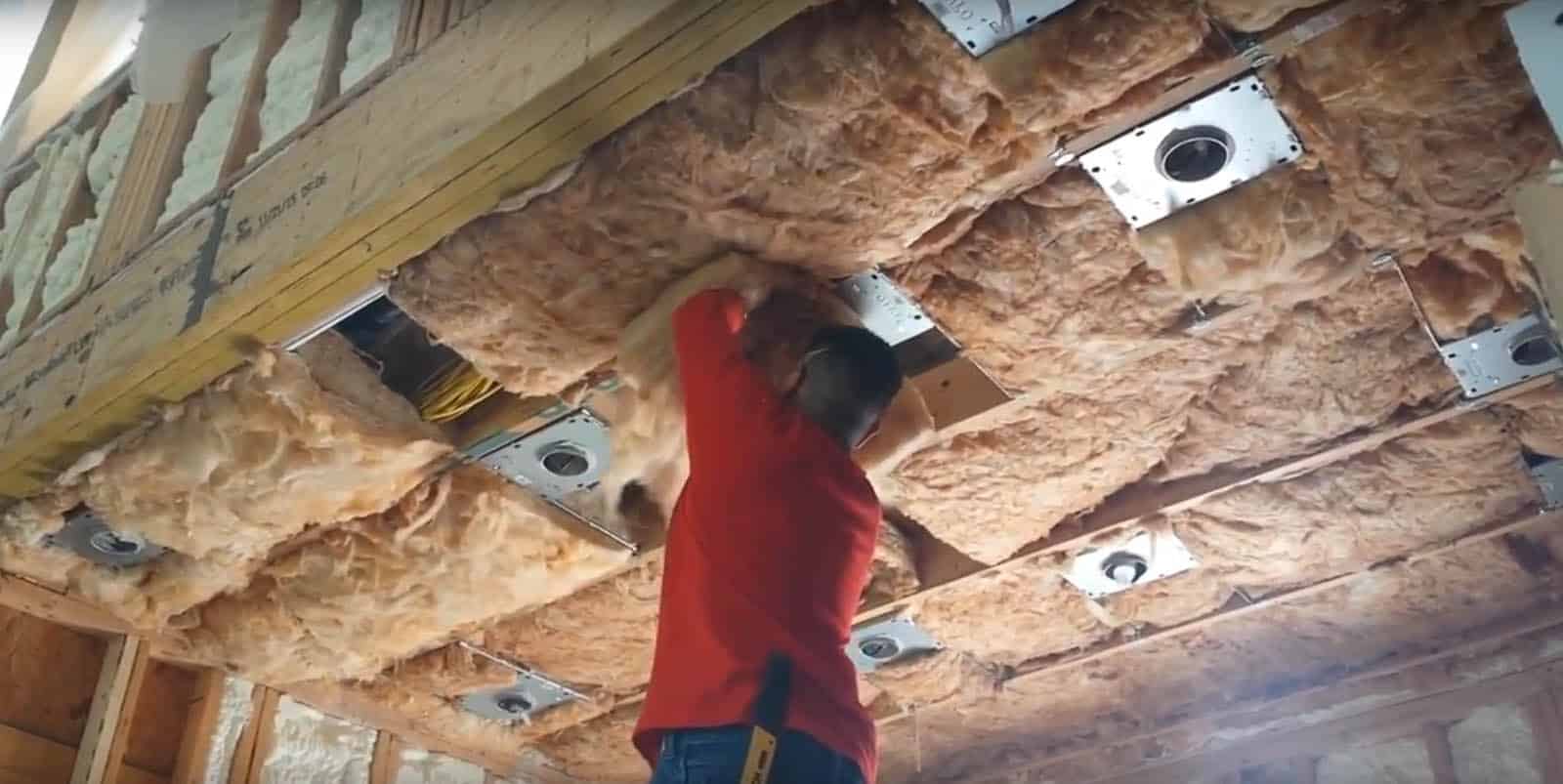
The right approach may mean restoring fiberglass coverage and depth, sealing the accessible air pathways first, adding radiant heat control, or removing damaged material before anything new goes in. In a Sugar Land home the age of the house, the condition of the existing material and the state of the attic ductwork usually decide which combination makes sense.
There is no honest one-product answer for every Sugar Land house. Fiberglass, spray foam and radiant barrier address different parts of attic performance. An established home may require a different plan than newer construction, a remodeled property or a house insulated at the roof deck.
The attic needs practical thermal resistance, existing fiberglass can remain in place, or coverage needs to be restored with blown or batt material.
The project calls for stronger air sealing, a different thermal boundary or insulation applied directly to a roof deck or selected surface.
Reducing radiant heat from the roof assembly is an important part of the plan and the attic configuration supports proper foil installation.
Insulation removal may be recommended first when existing material is wet, contaminated, heavily damaged or prevents safe access to the attic floor. The evaluation should explain why removal is necessary and what replacement system is being proposed.
From the first call through the completed installation, the process should remain clear, organized and easy to understand.
Call or submit the form with your address and the symptoms you want evaluated, such as hot rooms, aging insulation or visible damage.
A technician reviews the relevant insulation and attic conditions, then explains the available options and their intended purpose.
After you choose an approach, the work is scheduled and completed according to the agreed scope with attention to your home.
On a retrofit attic the result depends far more on workmanship than on the product name. Consistent depth, coverage all the way to the eaves, protected soffit ventilation, sealed penetrations and a clean job site are what separate a good install from a material dump.
Ultimate Radiant Barrier & Insulation has served Greater Houston homeowners since 2006. In a fifty-year-old Sugar Creek attic and a ten-year-old Riverstone attic we are looking for different things, and we will tell you when the service you called about is not the one that will fix the problem.
If you are weighing materials before booking an evaluation, our comparison of spray foam versus traditional insulation covers where each one earns its cost in a Houston home.
Yes. We cover Sugar Land throughout Fort Bend County, including First Colony, Sugar Creek, New Territory, Telfair, Riverstone, Greatwood, Avalon, Imperial, Commonwealth, and Sugar Lakes.
Age by itself does not require removal. If the existing material is clean, dry and uncontaminated, it can usually stay and be topped up to a proper depth. Removal becomes the right call when it is wet, mold-affected, rodent-contaminated, smoke damaged, or so compressed and displaced that adding to it would just bury the problem.
Usually a combination rather than one fault. Thin or displaced insulation over the upstairs ceilings, air leaking through ceiling penetrations, and supply ducts losing cooled air into a very hot attic all push in the same direction. Which one dominates is worth establishing before spending money, because the fixes are different.
Sometimes, but it is a bigger decision than adding fiberglass. Applying foam at the roofline changes the attic into a sealed, unvented space, which affects ventilation, humidity, combustion appliances and future access to anything stored or installed up there. On an older home with existing attic HVAC it needs to be planned properly rather than sold as a default upgrade.
Yes. Contaminated or water-damaged material is removed and bagged out rather than covered over, and the source has to be corrected first — new insulation over an active roof leak or an open rodent entry will fail the same way the last lot did. See our insulation removal services for how that work is handled.
We look at the actual attic rather than quoting from the driveway — existing insulation type, depth and condition, coverage at the eaves and perimeter, attic access, roof and ventilation configuration, and the condition of any ductwork up there. Then we explain what we found, what would improve it, and what you do not need.
Tell us what you are experiencing in your Sugar Land home. A member of the Ultimate Radiant Barrier & Insulation team will follow up to discuss your needs and the next step.
Professional Greater Houston insulation service since 2006.