
Houston Attic Insulation Guide: Materials, R-Value and Installation
Houston attic insulation must do more than reach a number on a depth ruler. It needs to work with attic air sealing, ventilation, ductwork, roof condition, moisture control, electrical safety, and the home’s HVAC system. Adding material without examining those conditions can leave the largest performance problems untouched.
This guide explains how a complete attic-insulation system should be evaluated, which materials are commonly used, when existing insulation can remain, and how Houston homeowners can compare recommendations.
What Attic Insulation Actually Does
Insulation slows heat flow between the living space and the attic. During Houston summers, it helps reduce heat moving downward from the attic; during cooler weather, it helps retain conditioned heat. R-value measures resistance to heat flow, but installed performance also depends on even coverage, full thickness, dryness, and the absence of gaps or compression.
Insulation does not automatically stop air leakage. Ceiling penetrations, wall cavities, attic hatches, plumbing and wiring openings, and duct boots may move air through or around fiberglass and other air-permeable materials.
Why Houston Attics Are Challenging
- Long cooling seasons and intense solar roof exposure
- High outdoor humidity
- HVAC ducts and equipment frequently located in the attic
- Storms, roof leaks, and wind-driven rain
- Extreme attic temperatures during daytime work
- Older homes with uneven or disturbed insulation
The best solution depends on which of these conditions is driving discomfort or energy use in the particular home.
Signs the Attic Needs Evaluation
- Floor joists remain visible through thin insulation
- Insulation depth varies or large areas are bare
- Upstairs rooms are difficult to cool
- The attic hatch is unsealed or uninsulated
- Ducts are damaged, disconnected, or sweating
- Insulation is wet, stained, compressed, or musty
- Pests have disturbed or contaminated material
- Utility use has increased without an obvious rate or equipment explanation
These signs do not prove that complete replacement is necessary. They indicate that the attic should be inspected as a system.
Air Sealing Comes Before Additional Insulation
ENERGY STAR recommends sealing attic air leaks before adding insulation. Common leakage locations include top plates, open chases, plumbing and electrical penetrations, dropped soffits, attic stairs, recessed fixtures, and duct boots.
High-temperature areas require suitable materials and clearances. Ordinary foam and fiberglass should not be packed against flues, chimneys, or fixtures that are not approved for insulation contact.
Once loose-fill insulation covers the attic floor deeply, leakage locations become harder to access. Completing appropriate sealing first protects the value of the insulation investment.
Common Houston Attic Insulation Options
Blown fiberglass
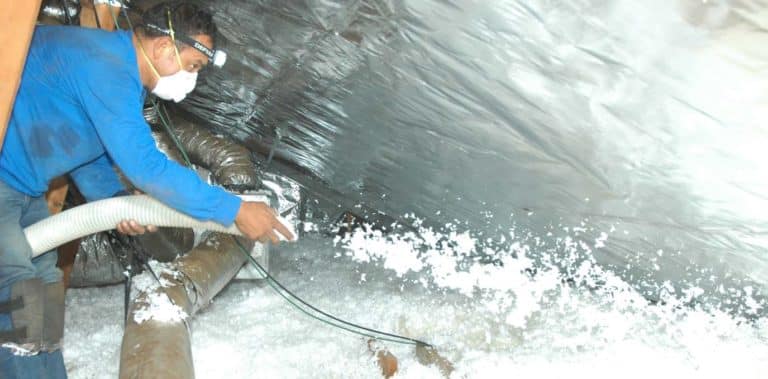
Loose-fill fiberglass is commonly blown across unfinished attic floors. It can cover irregular framing and flow around many obstructions, making it useful for retrofits and top-ups. Uniform depth, bag count, eave coverage, and ventilation dams must be documented.
Fiberglass batts and rolls
Preformed blankets work well in regular, open framing cavities when installers cut and fit them without gaps or compression. Unfaced batts may sometimes be layered over compatible existing insulation.
Cellulose
Loose-fill cellulose is manufactured primarily from treated recycled paper fiber. It can provide dense coverage but has different weight, moisture, settling, and dust characteristics from fiberglass. Product and assembly requirements should guide its use.
Spray polyurethane foam
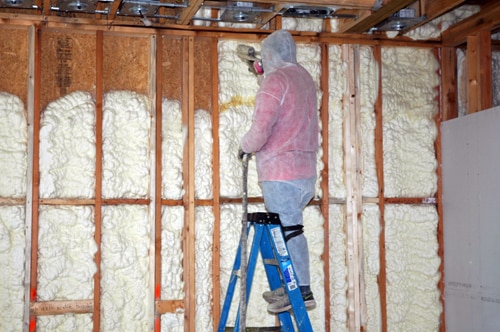
Spray foam can combine insulation and air control. Roofline applications may create an unvented attic and bring ducts into a more tempered enclosure. That changes ventilation, humidity, combustion, fire-protection, and future-access considerations.
Radiant barrier
Radiant barrier reduces radiant heat transfer and can complement attic insulation. It does not replace conventional R-value or repair air leakage, ducts, moisture, or HVAC problems.
Compare fiber materials in our guide to fiberglass, cellulose, and mineral wool.
How Much Insulation Does a Houston Attic Need?
The correct target depends on the insulation product, existing R-value, attic configuration, applicable requirements, and project goals. Depth alone is not universal because different materials provide different R-values per inch.
A contractor should identify the existing material and approximate performance, then specify the proposed product, target R-value, required installed depth or thickness, and coverage area. For blown material, the final documentation should include bag count and depth markers.
Uniformity matters. Thin eaves, missing corners, compressed walkways, and uncovered hatches can undermine an otherwise deep installation.
When Existing Insulation Can Stay
Clean, dry, uncontaminated insulation may remain and be supplemented when it is compatible with the proposed system. Existing material should first be checked for:
- Roof or plumbing moisture
- Pest contamination
- Smoke or fire damage
- Severe compression or displacement
- Hidden air-leakage pathways
- Unsafe electrical conditions
Age alone does not require removal. Wet, contaminated, damaged, or unsuitable insulation may need professional removal after the source is corrected.
Attic Ventilation and Eave Protection
In a conventional vented attic, insulation should extend toward the perimeter without blocking soffit intake. Baffles or rafter vents preserve an air channel, while dams keep loose material from spilling into vents, access openings, fixtures, and equipment areas.
Adding more vents without understanding the existing system is not automatically beneficial. Intake and exhaust should work as a planned system.
Ductwork Can Change the Recommendation
Leaking supply ducts lose conditioned air; leaking returns may pull hot, humid attic air into the system. Damaged duct insulation adds heat gain and condensation risk.
Adding attic-floor insulation will not repair ducts. Accessible connections, supports, exterior insulation, and condensation signs should be inspected. Homes considering roofline spray foam need a separate plan for attic humidity and mechanical equipment.
Moisture Must Be Solved Before Insulating
Roof leaks, bathroom exhaust, HVAC condensation, plumbing leaks, and humid indoor air can wet insulation and surrounding materials. New insulation should not conceal damp decking, mold-like growth, or active water paths.
Some older attics contain vermiculite that may contain asbestos. It should not be disturbed until properly evaluated. Significant mold, pest waste, or hazardous materials may require specialists beyond an insulation crew.
DIY Versus Professional Installation
An accessible attic with simple cavities may be manageable for an experienced homeowner, but Houston attic work includes extreme heat, exposed nails, electrical hazards, fragile ceiling drywall, flues, dust, and difficult eaves.
Professional installation is appropriate when the attic needs blowing equipment, extensive air sealing, baffles, removal, contamination control, duct coordination, or work near hazardous components.
How to Compare Attic Insulation Estimates
A useful proposal should identify:
- Existing conditions and deficiencies
- Product manufacturer and insulation type
- Target R-value and depth or thickness
- Included square footage and inaccessible areas
- Air-sealing scope
- Baffles, dams, hatch treatment, and walkways
- Removal, repairs, and disposal
- Duct or ventilation observations
- Safety and cleanup procedures
- Material and workmanship warranties
Compare complete systems rather than only price per square foot.
Attic Insulation Questions
Can new insulation go over old insulation?
Often, if the existing material is clean, dry, serviceable, and compatible. It should be inspected first.
Does insulation lower electric bills?
It can reduce heat flow and cooling demand, but results vary with existing conditions, ducts, HVAC efficiency, air leakage, weather, thermostat use, and electricity rates.
Is blown insulation better than batts?
Blown insulation often covers irregular attic floors more evenly; batts suit regular open cavities. Installation quality matters more than a universal winner.
Should insulation cover attic vents?
No. Designed soffit and exhaust ventilation paths should remain unobstructed in a vented attic.
Request a Houston Attic Evaluation
Ultimate Radiant Barrier has served Greater Houston since 2006 and brings 57 years of insulation-industry experience to attic evaluations. We install fiberglass attic insulation, spray foam, and radiant barrier based on the home’s actual needs.
Call 713-805-0394 or request a free attic insulation estimate.