Mon - Sat 8AM - 7PM

Spring and the surrounding north Harris County area include established neighborhoods beneath mature tree cover, newer subdivisions and homes built across many different construction periods. Attic size, roof design, ventilation and insulation history can therefore vary widely from one property to the next.
Long cooling seasons, direct roof heat and Gulf Coast humidity place sustained demands on local attics. Ultimate Radiant Barrier & Insulation provides professional insulation services in Spring, TX, including fiberglass attic insulation, spray foam insulation, radiant barrier foil and insulation removal.

Spring covers a lot of ground and a lot of decades — the Klein area, Old Town Spring, Cypresswood, Memorial Northwest, Gleannloch Farms, Augusta Pines, Benders Landing and the newer Springwoods Village. What a great many of those homes share is a two-story layout with a bonus room over the garage.
That room is the single most common comfort complaint we hear in Spring, and it is usually not an insulation failure in the ordinary sense. A room over a garage is exposed on more surfaces than any other room in the house — an unconditioned garage beneath it, two or three exterior walls, and the attic above. It also tends to sit at the end of a long duct run, so it receives the least air at the lowest pressure.
Add a Houston August and it becomes the room nobody wants to use. Homeowners often assume the answer is a bigger air conditioner. It rarely is.
The rest of the Spring housing stock shows the more familiar picture: 1980s and 1990s attics with settled coverage and thin eaves, and newer sections with adequate depth but minimal air sealing.
Choose the service that best matches the attic condition or comfort problem you want to address. If the cause is unclear, describe the symptoms in the estimate form and our team can help determine the appropriate starting point.
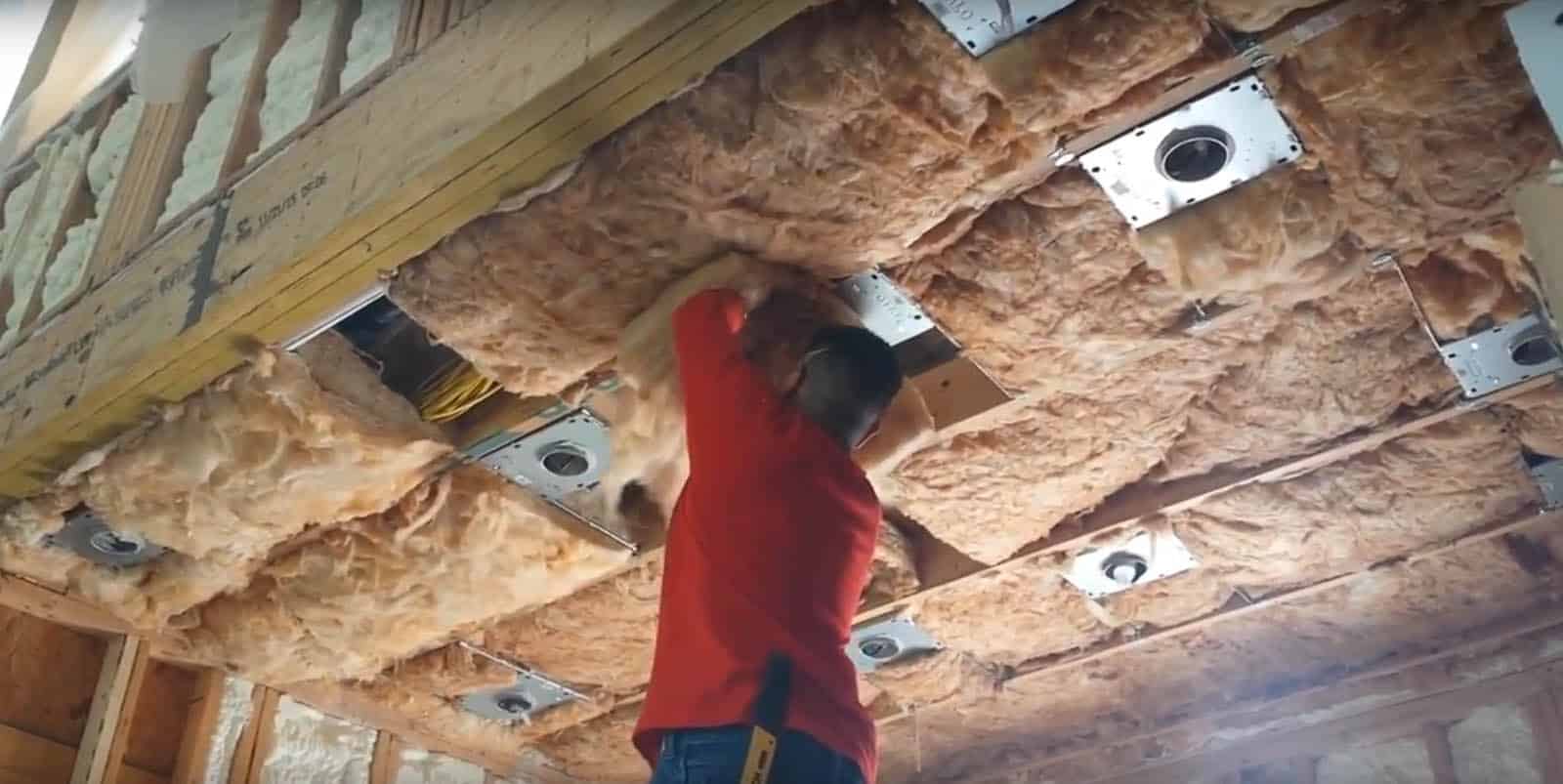
Blown or batt fiberglass can restore thermal resistance where attic coverage is thin, uneven or no longer performing as intended.
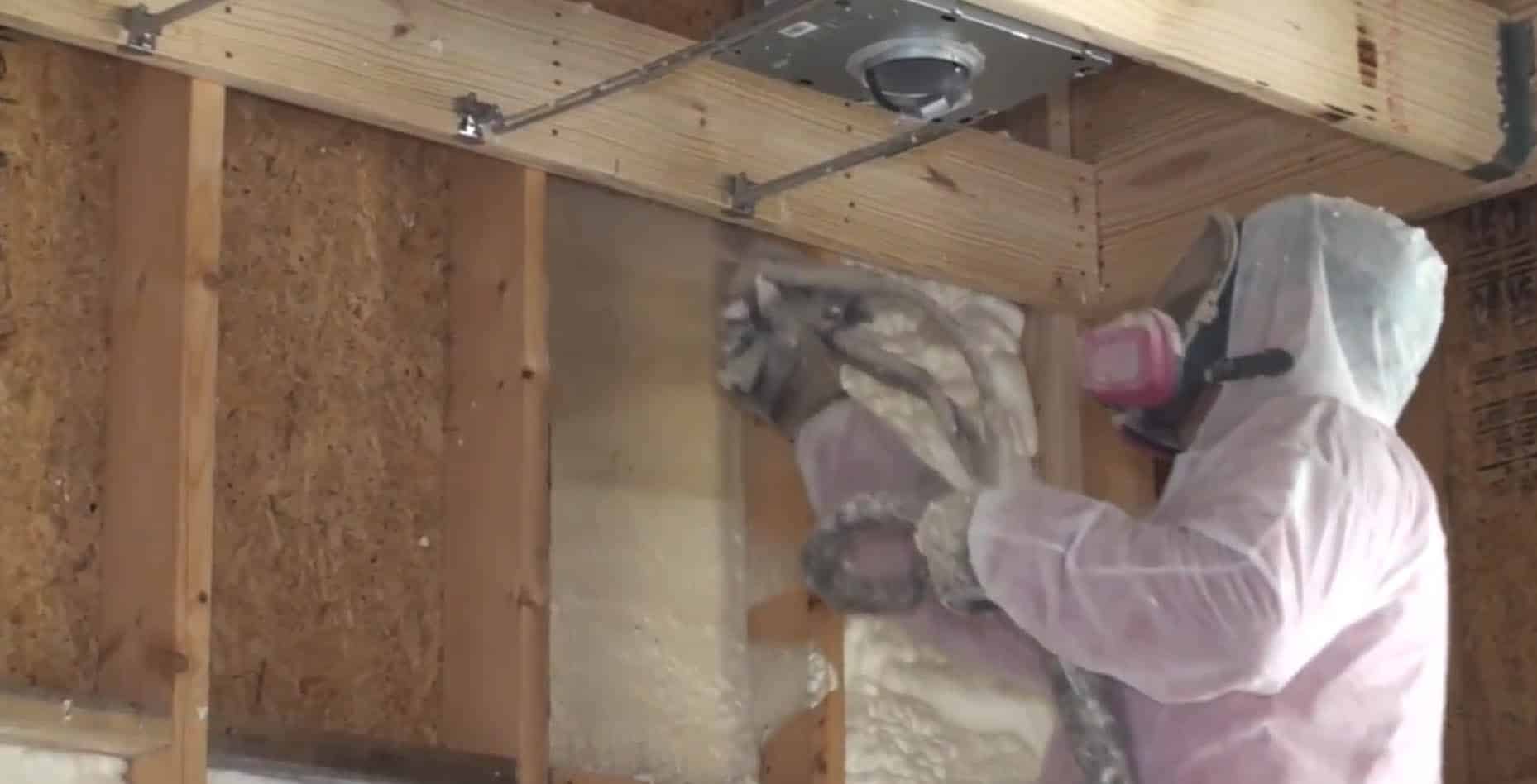
Open- or closed-cell spray foam may be appropriate when a project requires insulation combined with air sealing.
Radiant barrier foil helps reduce radiant heat transfer from the roof assembly into the attic and living space below.
Old, damaged or contaminated insulation can be removed before the attic is cleaned and prepared for the selected replacement system.
A solar attic fan may support attic ventilation when it is compatible with the roof, intake ventilation and overall attic design.
A bonus room has to be looked at as a box rather than as a ceiling. The floor sits above an unconditioned garage and is frequently uninsulated or barely insulated. The knee walls — the short walls where the roof slope meets the room — often have batts sagging out of them or nothing behind the drywall at all. The ceiling may be sloped, which limits how much material can sit above it.
Every one of those surfaces is gaining or losing heat, and insulation depth out on the flat part of the attic does nothing for any of them.
Elsewhere in Spring the problems are more conventional: insulation settled below its original depth, coverage that gives out before the eaves, soffit venting blocked by material pushed into it, and duct runs that have loosened across twenty or thirty years.
So the honest answer on a Spring bonus room is that its knee walls, its floor and its ceiling need to be considered together, alongside whatever the duct serving it is actually delivering. Adding depth to the main attic and hoping is the version of this job that leaves people disappointed.
There is no honest one-product answer for every Spring house. Fiberglass, spray foam and radiant barrier address different parts of attic performance. An established home may require a different plan than newer construction, a remodeled property or a house insulated at the roof deck.
The attic needs practical thermal resistance, existing fiberglass can remain in place, or coverage needs to be restored with blown or batt material.
The project calls for stronger air sealing, a different thermal boundary or insulation applied directly to a roof deck or selected surface.
Reducing radiant heat from the roof assembly is an important part of the plan and the attic configuration supports proper foil installation.
Insulation removal may be recommended first when existing material is wet, contaminated, heavily damaged or prevents safe access to the attic floor. The evaluation should explain why removal is necessary and what replacement system is being proposed.
From the first call through the completed installation, the process should remain clear, organized and easy to understand.
Call or submit the form with your address and the symptoms you want evaluated, such as hot rooms, aging insulation or visible damage.
A technician reviews the relevant insulation and attic conditions, then explains the available options and their intended purpose.
After you choose an approach, the work is scheduled and completed according to the agreed scope with attention to your home.
We would rather tell you a bonus room needs attention in three places than take the easy job and leave you with the same complaint next summer.
Ultimate Radiant Barrier & Insulation has served Greater Houston homeowners since 2006. We look at what is genuinely enclosing the room that bothers you, explain what each surface is costing, and are straightforward about what insulation can and cannot fix on its own.
Our Houston attic insulation guide covers materials, R-value and installation in more detail.
Yes. We cover the Spring area of north Harris County, including Klein, Old Town Spring, Cypresswood, Memorial Northwest, Gleannloch Farms, Augusta Pines, Benders Landing, and Springwoods Village.
Usually it can improve it substantially, but only if all the surfaces are addressed. That room is exposed above, below and on several sides, so treating one of them and leaving the others rarely produces the change people are hoping for. The duct serving it needs checking too — it is often the longest run in the house.
They are the short vertical walls where a sloped roof meets the floor of an upstairs room. Behind them sits unconditioned attic space that gets extremely hot. Batts installed there frequently sag or fall out over time, leaving the wall of your room separated from a 130-degree void by little more than drywall. It is one of the most overlooked surfaces in a two-story home.
It should be, and often it either was not or the material has since fallen away. A garage in August is hot, unconditioned space directly beneath a finished room, and the floor assembly is the only thing between them. It is a straightforward area to check and a common reason that room never matches the rest of the house.
Usually not, and an oversized system can make a house less comfortable by short-cycling and failing to remove humidity. If the room is losing heat through five surfaces and receiving the weakest airflow in the house, more capacity at the equipment does not change either problem. Fix the envelope and the duct first.
Depth against current standards, coverage right out at the eaves, whether the soffit vents are still clear, and the condition of any ductwork in the attic. On a house of that age the insulation has had decades to settle and to be disturbed by roofing, electrical and HVAC work, so what is up there now is rarely what went in.
Tell us what you are experiencing in your Spring home. A member of the Ultimate Radiant Barrier & Insulation team will follow up to discuss your needs and the next step.
Professional Greater Houston insulation service since 2006.