
Houston Attic Insulation Cost, Savings and Long-Term Value
Houston attic insulation cost depends on much more than square footage. Existing material, access, air sealing, target R-value, product choice, ventilation protection, removal, duct conditions, and safety details can all change the scope. That is why a low price per square foot does not always represent the best value.
This guide explains the variables behind an attic-insulation estimate, the factors that affect energy savings, and how homeowners can compare proposals without relying on unrealistic payback promises.
What Determines Attic Insulation Cost?
Attic size and accessible area
Larger attics require more material and labor. Contractors should distinguish the home’s floor area from the actual insulated attic area and identify inaccessible sections, additions, vaulted ceilings, equipment platforms, and storage decks.
Existing insulation condition
Clean, dry insulation may sometimes remain and receive a compatible top-up. Wet, pest-contaminated, smoke-damaged, or severely disturbed material may require removal. Removal adds labor, containment, disposal, and preparation but can expose air leaks and defects that would otherwise remain hidden.
Air-sealing scope
Adding insulation without sealing accessible ceiling leaks can leave an important source of energy loss unaddressed. Top plates, open chases, plumbing and wiring penetrations, duct boots, attic hatches, and dropped soffits may need appropriate sealing before new loose fill covers them.
Material and installation method
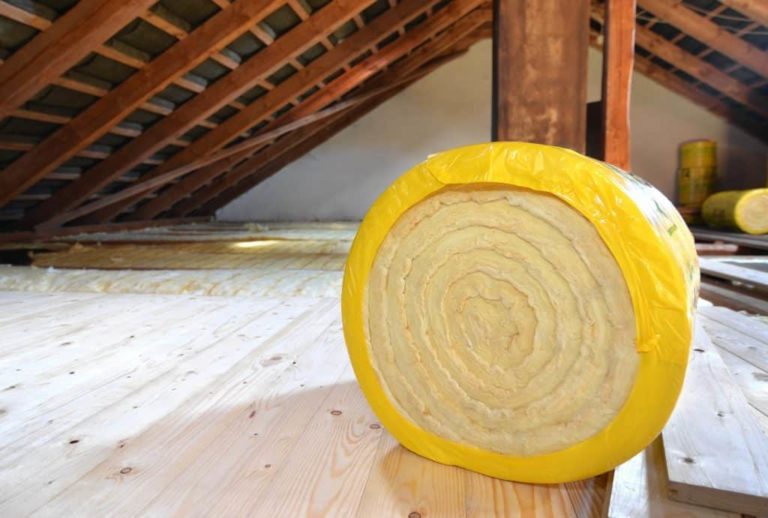
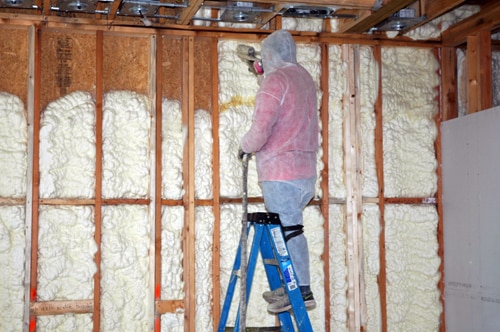
Blown fiberglass, batts, cellulose, spray foam, and radiant barrier solve different parts of the building-performance problem. Material price matters, but so do coverage, installed thickness, labor, equipment, preparation, and the way the material interacts with the attic assembly.
Target R-value and installed depth
A higher target typically requires more material. Because products provide different R-values per inch, proposals should name the specific product, target R-value, installed depth or thickness, and coverage area. Blown installations should include required bag count rather than depth alone.
Attic access and working conditions
Low rooflines, narrow hatches, complex framing, extreme heat, stored belongings, fragile ceilings, and difficult eaves can increase labor. Safe access around electrical components, flues, recessed fixtures, and HVAC equipment also affects the job.
Baffles, dams, hatch covers, and walkways
Quality installations protect soffit ventilation, attic access, fixtures, mechanical equipment, and service pathways. These details use additional materials and time but help preserve performance and future access.
Why Prices Per Square Foot Can Be Misleading
Two quotes may use the same area but describe very different jobs. One may include air sealing, baffles, an insulated hatch, depth rulers, cleanup, and a documented bag count. Another may only add a thin layer to the open center of the attic.
Ask for a written scope that defines:
- Insulation brand, product, and form
- Target R-value and final depth or thickness
- Measured coverage area
- Existing insulation that stays or is removed
- Air-sealing locations and materials
- Eave, fixture, flue, hatch, and platform treatment
- Bag count for loose-fill products
- Cleanup, disposal, warranty, and exclusions
How Attic Insulation Can Create Value
Properly installed insulation can reduce heat flow between the attic and living space. When inadequate insulation is a significant weakness, improving it may reduce HVAC run time, help upstairs comfort, and lessen temperature differences between rooms.
Value can also come from correcting uncovered areas, protecting ventilation, sealing attic access, and addressing damaged material. These improvements may make the home easier to cool and maintain even when the dollar payback cannot be predicted precisely.
What Affects Actual Energy Savings?
No responsible contractor can guarantee one savings percentage for every house. Results depend on:
- Existing insulation level and condition
- Air leakage through the ceiling and envelope
- Duct leakage and duct insulation
- HVAC efficiency, sizing, and maintenance
- Roof color, shading, and radiant exposure
- Thermostat settings and occupancy
- Weather and utility rates
- Window performance and other envelope conditions
A home with almost no attic insulation may have more opportunity than one already near its practical target. A house with major duct leaks may see limited improvement until those leaks are repaired.
Insulation, Air Sealing and Ductwork Work Together
Attic insulation slows conductive heat flow. Air sealing reduces uncontrolled air movement. Duct repairs keep conditioned air in the distribution system. Treating only one component may leave another large loss in place.
Before accepting a proposal, ask whether the attic was inspected for disconnected ducts, damaged duct insulation, condensation, open chases, and an unsealed hatch. Not every insulation company performs duct or HVAC work, but visible conditions should be documented so the correct trade can address them.
When Removal Is Worth the Added Cost
Removal is not automatically necessary because insulation is old. It may be justified when the material is:
- Wet from a roof, plumbing, or HVAC leak
- Contaminated by rodents or other pests
- Smoke- or fire-damaged
- Severely displaced, compacted, or mixed with debris
- Concealing air leaks or electrical problems that require access
- Incompatible with the planned assembly
Correct the source before installing new material. Read more about Houston insulation removal decisions.
Low Bid Versus Complete Installation
The lowest quote may be appropriate when scopes are genuinely equal. The problem is that insulation estimates often omit different details. Compare the outcome each contractor is promising and the measurements supporting it.
A complete bid should make it possible to verify the work after installation. Depth markers, product labels, bag counts, photographs, and documented preparation give the homeowner more than a verbal assurance.
Questions to Ask Before Hiring
- What existing conditions did you find?
- Can the current insulation remain, and why?
- What product and R-value are you proposing?
- What air sealing is included?
- How will soffit vents and heat-producing components be protected?
- Are removal and disposal included?
- What could change the quoted price?
- How will the completed depth and coverage be documented?
- What workmanship and material warranties apply?
Can You Estimate Payback?
A useful estimate starts with the existing attic, not a generic percentage. Historical utility use can provide context, but weather, electricity rates, thermostat habits, HVAC changes, and occupancy all affect comparisons. Energy savings should be presented as an informed range or opportunity—not a guaranteed result.
Comfort, moisture correction, access to repairs, and reduced equipment strain may also matter even when simple payback is not the only goal.
Request a Detailed Houston Attic Insulation Estimate
Ultimate Radiant Barrier provides written recommendations based on the attic’s condition and the homeowner’s goals. Explore our Houston fiberglass attic insulation service and our complete attic insulation guide.