Can Radiant Barrier Lower Houston Cooling Costs?
Radiant barrier can reduce part of the cooling load on a Houston home, but no responsible contractor can promise the same dollar savings or percentage reduction for every property. The result depends on how much solar heat reaches the roof, the attic design, the location of ductwork, the condition of the existing insulation, HVAC performance, thermostat habits, and electricity rates.
The right question is not simply, “Will radiant barrier lower my bill?” It is, “How much of my home’s cooling demand is caused by radiant heat entering through the roof, and will reducing that heat make a meaningful difference?” This guide explains the factors that influence radiant barrier savings in Houston and how homeowners can evaluate the potential return without relying on exaggerated promises.
How Radiant Barrier Can Affect Cooling Costs
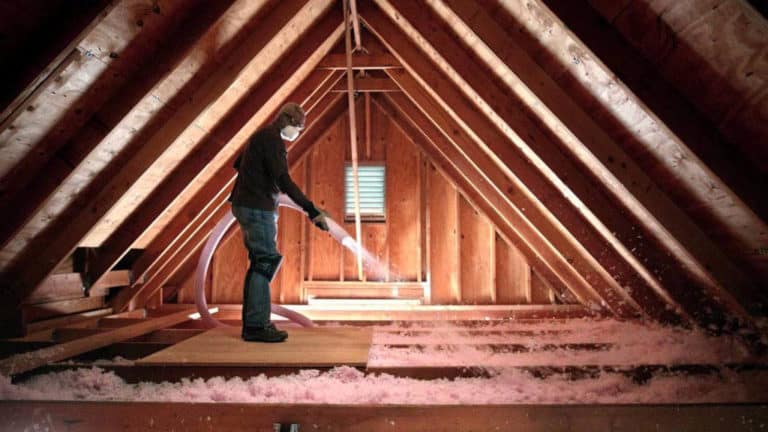
During sunny weather, the roof absorbs solar energy and becomes much hotter than the outdoor air. That heated roof deck radiates energy toward cooler surfaces inside the attic. Insulation, ductwork, framing, stored items, and mechanical equipment can all absorb some of that radiant energy.
A properly installed foil barrier faces an open air space and reflects up to 97% of radiant heat under appropriate conditions. This reduces the radiant component of heat transfer into the attic. When less radiant energy reaches attic insulation and ductwork, the air-conditioning system may have less heat to overcome.
The 97% reflectivity rating does not mean a 97% reduction in attic temperature or electric bills. Homes still gain heat through conduction, convection, air leakage, windows, walls, doors, duct losses, and occupant activity. Radiant barrier addresses one important part of the complete energy picture.
What Determines Radiant Barrier Energy Savings?
Roof exposure and color
A broad roof exposed to direct Houston sun generally receives more radiant energy than a heavily shaded roof. Dark roofing materials may absorb more solar heat than lighter or more reflective roofing systems. Greater solar exposure can create a larger opportunity for radiant-heat control.
Ductwork and HVAC equipment in the attic
Many Houston homes have air-conditioning ducts or equipment located in an unconditioned attic. Reducing the radiant heat surrounding those components may help lessen thermal stress and heat gain through the duct system—especially when the ducts are properly sealed and insulated.
Existing attic insulation
Radiant barrier complements insulation; it does not replace it. A home with missing, compressed, wet, or poorly distributed insulation may need insulation correction first. Conversely, a home with serviceable insulation can still benefit when radiant heat remains a significant source of attic heat gain.
Air leakage and duct condition
Major ceiling leaks or damaged ducts can waste substantial conditioned air. Radiant barrier cannot seal those leaks. If air-sealing or duct repairs represent the larger opportunity, those improvements may produce a better initial return and should be considered as part of the attic assessment.
HVAC efficiency and thermostat settings
An aging, oversized, undersized, or poorly maintained system may use more energy regardless of attic improvements. Thermostat settings, occupancy, indoor humidity goals, and maintenance also influence monthly consumption.
Electricity rates and weather
Even if a home uses fewer kilowatt-hours, the dollar savings depend on the utility rate. Weather also changes from year to year. A hotter summer can raise total consumption even when an efficiency improvement is reducing what the home would otherwise have used.
Homes Most Likely to See a Meaningful Benefit
Radiant barrier may have stronger savings potential when a Houston home has several of these characteristics:
- A large, sun-exposed roof with limited tree shade
- Dark roofing that becomes extremely hot during the day
- Air-conditioning ducts or equipment located in the attic
- Upstairs rooms that become uncomfortable during afternoon heat
- A vented attic outside the conditioned building envelope
- Existing insulation that is reasonably sound but still exposed to heavy roof-generated radiant heat
- A long cooling season and substantial summertime air-conditioning use
These conditions do not guarantee a particular savings percentage. They indicate that reducing radiant heat may address a meaningful part of the home’s cooling demand.
When Radiant Barrier May Produce a Smaller Return
Radiant barrier may be a lower priority when the roof is heavily shaded, the attic is already inside a properly designed conditioned envelope, or the main problem is unrelated to radiant heat. Significant duct leakage, inadequate insulation, roof leaks, moisture problems, or poor HVAC performance can dominate the energy loss.
That does not necessarily mean radiant barrier has no value. It means the improvements should be prioritized correctly. A professional should be willing to say when another repair deserves attention first.
How to Estimate Potential Payback
The most credible estimate begins with the home—not a universal percentage printed in an advertisement. Homeowners can evaluate potential payback using the following process:
- Review at least 12 months of electricity use. Compare kilowatt-hours, not only dollar amounts, because utility rates can change.
- Identify the cooling-season portion. Summer consumption above the milder-month baseline provides a rough picture of weather-sensitive usage, although it includes more than air conditioning alone.
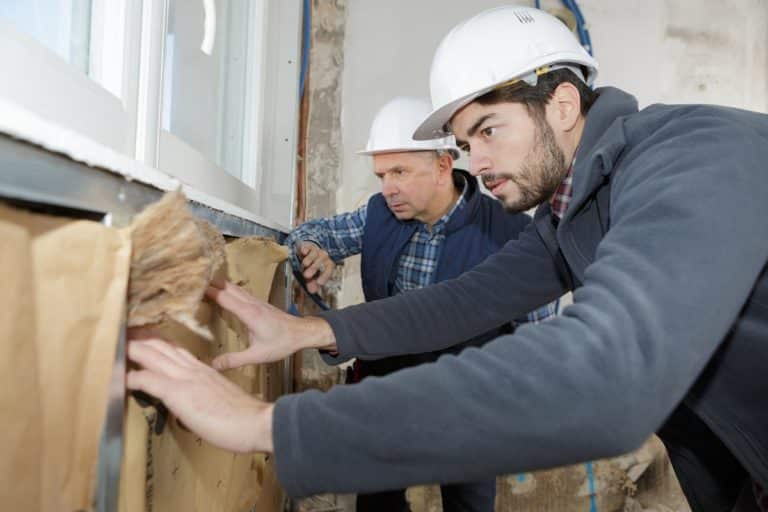
- Inspect the attic system. Note roof exposure, insulation condition, duct location, ventilation, air leakage, and any repairs that should precede installation.
- Get a written project scope. The proposal should identify the material, installation location, coverage, exclusions, and warranty rather than relying only on a promised savings claim.
- Compare realistic scenarios. Evaluate a conservative range rather than assuming the maximum advertised result.
- Track post-installation usage. Compare similar weather periods and kilowatt-hours while accounting for thermostat or occupancy changes.
A simple payback estimate divides the installed project cost by the estimated annual dollar savings. That number is only as reliable as the assumptions behind it, so conservative expectations are better than an inflated sales projection.
Comfort and Equipment Benefits Beyond the Utility Bill
Monthly savings are important, but they are not the only reason homeowners consider radiant barrier. Reducing radiant heat in the attic may support cooler attic conditions, reduce heat exposure around ducts, and improve comfort in rooms beneath the roof.
Some benefits are difficult to isolate on an electric bill. A room that becomes easier to cool in the afternoon or an HVAC system that operates under less attic heat stress can still matter, even when weather and rate changes make exact dollar savings difficult to calculate.
Radiant Barrier Savings Claims to Treat Carefully
Be cautious when every homeowner is promised the same savings percentage. Results differ because homes differ. Ask what the claim measures, what conditions it assumes, whether it refers to total household energy or cooling energy alone, and whether it is supported by the specific attic assessment.
The same applies to reflectivity claims. Ultimate Radiant Barrier’s foil can reflect up to 97% of radiant heat under appropriate conditions, but that material rating must not be misrepresented as a 97% reduction in overall energy use.
Should You Install Radiant Barrier or Add More Insulation?
The answer depends on what the attic needs. If insulation is insufficient or damaged, improving it may be the priority. If insulation is clean and adequate but the attic receives intense radiant heat, adding foil may address a different part of the problem. Some homes benefit from both.
Our comprehensive guide explains how radiant barrier works in Houston attics. Homeowners considering installation can also review our Houston radiant barrier foil service for product and installation information.
Get a Home-Specific Radiant Barrier Estimate
Ultimate Radiant Barrier evaluates the attic, existing insulation, roof exposure, ventilation, and duct conditions before recommending an installation. That allows the proposal to reflect the home rather than a generic savings promise.
Call 713-805-0394 or request a free radiant barrier estimate for your Greater Houston home.