Spray Foam vs. Fiberglass Insulation for Houston Homes
Spray foam and fiberglass can both insulate a Houston home, but they create different building systems. Spray foam can combine insulation with air sealing and may move the thermal boundary to the roofline. Fiberglass typically provides thermal resistance at a lower installed cost while preserving a conventional vented attic and easier access for future work.
The better choice depends on the attic, ducts, moisture conditions, budget, and project goals. This comparison explains spray foam versus fiberglass insulation without treating either product as universally superior.
How Spray Foam and Fiberglass Work
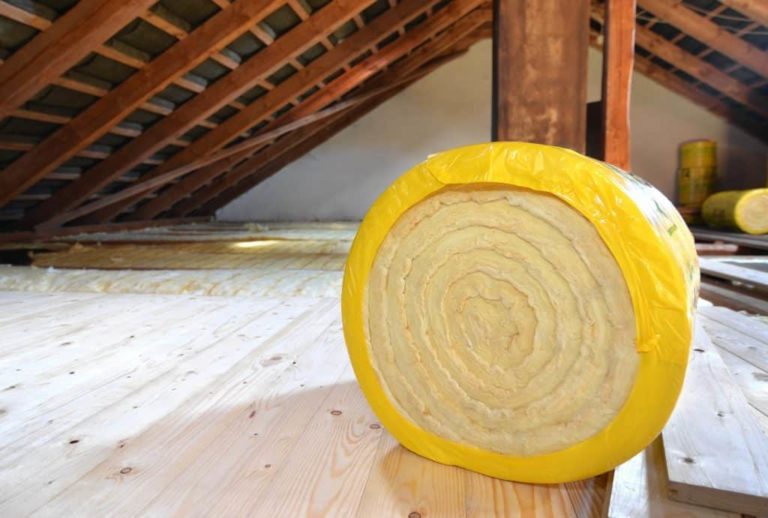
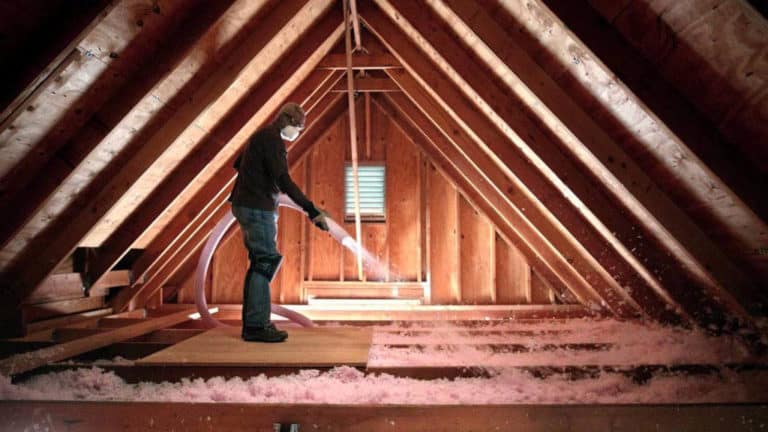
Fiberglass slows heat flow by trapping air within glass fibers. It is available as batts, rolls, and loose-fill material. In many Houston homes, fiberglass is installed at the attic floor while the attic above remains vented to the outdoors.
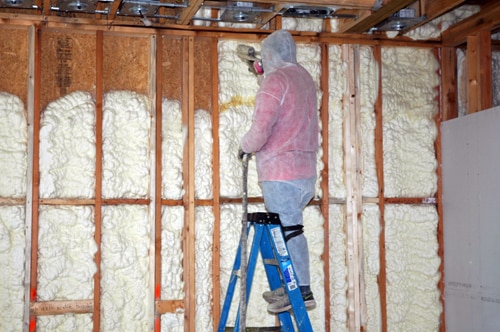
Spray polyurethane foam is created on site when chemical components mix and react. It expands and adheres to the surface where it is applied. When installed continuously at the required thickness, it can provide both thermal insulation and an air-control layer.
Neither product fixes roof leaks, damaged ducts, unsafe wiring, pest contamination, or mechanical problems. Those conditions should be addressed as part of the project scope.
Thermal Performance
Both products can achieve meaningful thermal resistance when installed to the appropriate thickness. Closed-cell spray foam generally provides greater R-value per inch than open-cell foam or fiberglass, which can be useful where cavity depth is limited.
Nominal R-value does not tell the entire story. Gaps, compression, thin spots, voids, wind washing, and air movement can reduce real-world performance. Fiberglass needs careful distribution and should not be compressed. Spray foam needs consistent thickness, adhesion, and continuity.
Air Sealing
Spray foam’s most important distinction is its ability to insulate and air seal in one installed layer. It can conform to irregular framing and seal many cracks and transitions when applied correctly.
Fiberglass is not an air barrier. A high-performing fiberglass system may require separate air sealing at ceiling penetrations, top plates, chases, attic hatches, and other leakage points before the insulation is installed or topped up.
Separate air sealing and fiberglass can be very effective when executed properly. The comparison should be between complete systems—not foam versus fiberglass with necessary preparation omitted.
Vented Versus Unvented Attics
A traditional vented attic typically places insulation at the attic floor and allows outdoor air to enter and exit through designed vents. Fiberglass is commonly used in this configuration.
Spray foam applied at the roofline is often used to create an unvented attic. This moves the thermal and air boundary from the attic floor to the roof deck. Existing vents must be addressed, roof and combustion conditions evaluated, and the enclosed attic may require a humidity-control or conditioned-air strategy.
Changing the location of the building enclosure is a design decision, not simply a material substitution.
HVAC Ductwork in the Attic
Houston homes frequently have ducts and air handlers in the attic. In a vented attic, those systems operate in high summer temperatures and humidity. Well-sealed and insulated ducts can still perform effectively, but leaks and damaged duct insulation can be costly.
A properly designed roofline spray-foam system can bring attic ducts into a more tempered environment. That may support comfort and reduce thermal stress around the system. It does not eliminate the need to seal, size, balance, and maintain the ducts.
If the home has little or no mechanical equipment in the attic, that particular advantage may carry less value.
Moisture and Drying
Fiberglass itself does not stop air leakage, so moist air can move through it unless an effective air barrier is present. Wet or contaminated fiberglass can lose performance and may need removal.
Open-cell foam is more vapor-permeable; closed-cell foam becomes more vapor-resistant as thickness increases. That difference influences how roof and wall assemblies store and release moisture.
Spray foam does not waterproof a roof or prevent mold. Fiberglass does not create ventilation or repair leaks. With either product, bulk water, indoor humidity, HVAC condensation, and drying potential must be controlled.
Installation Cost
Fiberglass generally costs less to install. It can be a strong value when the attic should remain vented and the project mainly requires additional thermal resistance plus targeted air sealing.
Spray foam generally has a higher upfront cost due to the material, specialized equipment, trained crew, containment, ventilation, and safety requirements. Additional expenses may include removing attic-floor insulation, modifying vents, addressing combustion appliances, conditioning the attic, or applying an approved ignition or thermal barrier.
Our Houston spray foam cost-and-value guide explains how to compare complete project scopes.
Future Repairs and Accessibility
Loose-fill fiberglass can be moved during electrical, plumbing, duct, ceiling, or pest work and redistributed afterward. Batts can often be temporarily lifted. That accessibility can simplify future inspection and repairs.
Spray foam adheres to framing and decking. Later contractors may need to cut or remove sections to reach wiring, roof decking, fasteners, or structural components. Roof leaks may also be harder to observe from inside when foam covers the underside of the deck.
Future access is not a reason to reject foam automatically, but it belongs in the decision.
Sound Control
Open-cell spray foam can absorb airborne sound because of its softer cell structure. Fiberglass also performs well in many sound-control assemblies, particularly when used with suitable framing, resilient channels, multiple layers, and sealed penetrations.
Neither material makes a room soundproof by itself. Windows, doors, ducts, framing connections, and other flanking paths influence the result.
Installation and Occupant Safety
Fiberglass installers need protection from fibers and dust, and occupied areas should be controlled during removal or installation. Spray foam involves reactive chemicals during application and requires more extensive protective equipment, ventilation, and exclusion of occupants and unrelated workers.
Spray foam re-entry must follow the specific manufacturer’s written instructions. Once installed, either insulation may require protective coverings depending on location and applicable fire-safety requirements.
Maintenance and Durability
Properly installed spray foam remains adhered and does not settle like loose-fill insulation. It can still crack, shrink, separate, become wet, or be damaged by later work when installation or building conditions are unsuitable.
Fiberglass can remain effective for many years when kept dry and undisturbed. Loose-fill material may become uneven, and batts can be compressed or displaced by storage, workers, pests, ducts, and other activity.
Both systems should be inspected when roof leaks, pests, unusual odors, condensation, renovation, or comfort changes occur.
When Fiberglass May Be the Better Choice
- The attic should remain conventionally vented
- The home primarily needs more attic-floor R-value
- Existing ductwork is already sealed and insulated effectively
- Easy inspection and future access are priorities
- Targeted air sealing can be completed separately
- Budget favors a lower-cost thermal improvement
- The existing fiberglass is clean and serviceable enough to supplement
When Spray Foam May Be the Better Choice
- The project needs insulation and continuous air control at the same plane
- An intentionally designed unvented attic is appropriate
- Attic ducts or equipment would benefit from a tempered enclosure
- Framing depth makes higher R-value per inch valuable
- Irregular framing makes conventional installation difficult
- The roof, moisture, HVAC, ventilation, and combustion details can all be addressed correctly
Questions to Ask Before Deciding
- Where should the home’s thermal and air boundary be?
- Should the attic remain vented or become unvented?
- What condition are the roof, decking, ducts, and existing insulation in?
- What separate air sealing is included with fiberglass?
- Which spray-foam product and thickness are proposed?
- How will attic humidity be managed?
- What future access or roof-inspection issues should I expect?
- What preparation, removal, barriers, and HVAC changes are included?
- What does each warranty cover?
- Which complete system provides the best value for this specific home?
Compare Houston Insulation Options
Ultimate Radiant Barrier installs both spray foam insulation and fiberglass attic insulation in Houston. Because we offer both systems, the recommendation can be based on the home rather than forcing every attic into one product.