How Spray Foam Air Sealing Works in Houston Homes
Spray foam is often described as insulation, but one of its most important capabilities is controlling air movement. Heat, humidity, odors, dust, and conditioned air can travel through cracks and penetrations in the building enclosure. A continuous air barrier reduces those pathways.
That does not mean simply spraying foam somewhere makes an entire Houston home “airtight.” The material must connect across framing transitions, penetrations, attic boundaries, and other surfaces. Mechanical ventilation, combustion safety, duct performance, and humidity control must also be considered. This guide explains how spray foam air sealing works and what a complete installation should address.
Insulation and Air Sealing Perform Different Jobs
Insulation slows heat flow through materials. Air sealing reduces uncontrolled air leakage through openings in the building enclosure. A wall or attic can have plenty of nominal R-value and still perform poorly if outside air or attic air moves around and through the insulation.
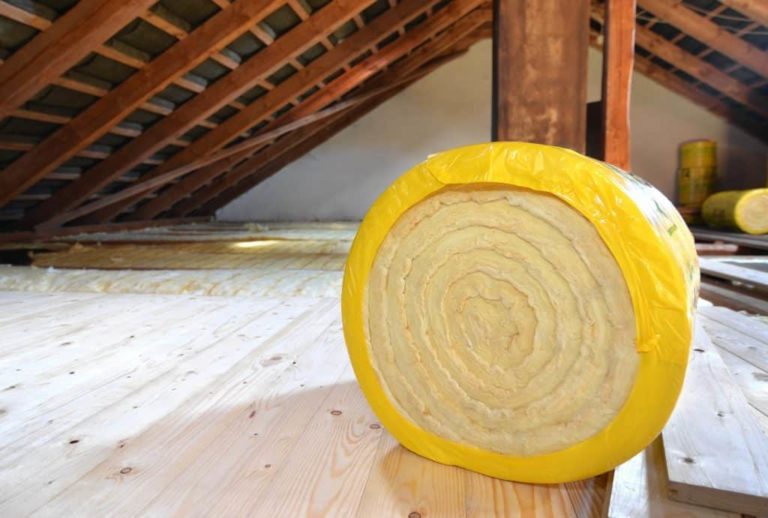
Fiberglass and other air-permeable insulation can work effectively when paired with a separate, continuous air barrier. Spray foam can provide both thermal resistance and air control at the same surface when it is installed at the product’s required thickness and remains continuous.
Why Air Leakage Matters in Houston
Houston’s long cooling season and high humidity make uncontrolled air movement especially important. Outdoor air leaking into the home can add sensible heat and moisture that the HVAC system must remove. Conditioned air leaking outward wastes energy that has already been spent cooling and dehumidifying.
Air leakage can also create comfort problems, including hot rooms, drafts near attic access points, uneven temperatures, and humidity that varies throughout the home. The exact pressure and moisture behavior changes with wind, exhaust fans, duct leakage, HVAC operation, and indoor-outdoor conditions.
Where Homes Commonly Leak Air
Air leakage rarely comes from one dramatic hole. It is often the combined effect of many small openings:
- Plumbing and wiring penetrations
- Top plates and wall-to-ceiling transitions
- Recessed fixtures and ceiling penetrations
- Attic hatches and pull-down stairs
- Open framing chases
- Duct boots and register connections
- Dropped soffits and tray ceilings
- Fireplace and flue transitions
- Wall, floor, and rim-joist connections
- Gaps around windows and exterior doors
Not every opening should be sealed with spray polyurethane foam. High-temperature areas, combustion vents, electrical components, moving joints, and exterior drainage details may require different materials and methods.
How Spray Foam Creates an Air Barrier
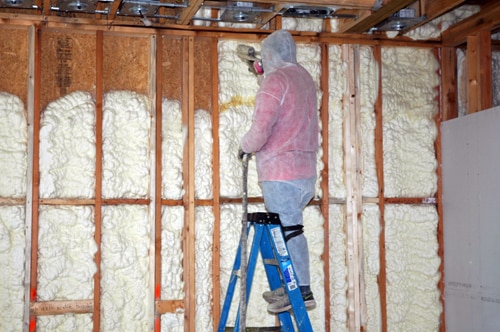
Spray foam expands and adheres to the surface where it is applied. When the material connects continuously across framing and transitions, it can reduce air movement through that assembly.
Air-barrier performance depends on the specific product and installed thickness. Open-cell and closed-cell foams can both qualify as air-impermeable materials at product-defined thicknesses, but the contractor should provide documentation rather than assume every thin coating is sufficient.
Common failures include:
- Thin application at framing edges
- Missed corners and narrow cavities
- Gaps around pipes, wires, and ducts
- Cracking or separation from unsuitable substrates
- Disconnected transitions between roof, wall, and floor air barriers
- Open attic access points after the main foam installation
- Later trades cutting through the completed air barrier
Roofline Foam Changes the Attic System
Applying spray foam beneath the roof deck can move the thermal and air boundary from the attic floor to the roofline. In a properly designed unvented attic, roof vents are addressed and the attic becomes part of the enclosed building volume.
This can create a more tempered environment for ducts and HVAC equipment, but it also changes how the attic manages heat and moisture. The project may require:
- Removal or evaluation of attic-floor insulation
- Closure of existing outdoor attic vents
- A strategy for attic humidity or conditioned-air exchange
- Evaluation of combustion appliances
- Roof and decking moisture inspection
- Ignition- or thermal-barrier protection
Foam should not be added at the roofline while leaving the attic’s ventilation and mechanical strategy unresolved.
Air Sealing and Indoor Air Quality
Reducing uncontrolled leakage can limit some outdoor pollutants and attic contaminants that enter through enclosure gaps. However, tighter construction also reduces accidental air exchange. A home still needs appropriate ventilation and source control.
Kitchen and bathroom exhaust, combustion safety, dryer venting, indoor humidity, filtration, and mechanical ventilation all influence indoor air quality. Air sealing should not be promoted as a treatment for allergies or respiratory conditions, and spray foam should not be installed over mold, pest contamination, or other unresolved sources.
Air Sealing and Combustion Appliances
Atmospherically vented furnaces, water heaters, fireplaces, and other combustion equipment depend on suitable air and venting conditions. Tightening the enclosure or converting an attic to an unvented space can affect pressure relationships and combustion safety.
The contractor must identify combustion appliances before work begins. Qualified HVAC or combustion-safety professionals may need to evaluate equipment, venting, makeup air, or replacement options. Foam must also maintain required clearances from flues and high-temperature components.
Duct Leakage Is a Separate Problem
Sealing the building enclosure does not automatically seal the HVAC ducts. Supply leaks can lose conditioned air; return leaks can pull hot, humid, dusty attic air into the system. Both can undermine comfort and efficiency.
A complete attic evaluation should inspect accessible duct connections, insulation, supports, and equipment—not assume roofline foam makes duct defects irrelevant.
How to Verify Air-Sealing Results
A blower-door test measures how much air moves through the building enclosure under a controlled pressure difference. Used before and after work, it can quantify the overall change in leakage and help locate remaining problem areas.
Visual inspection is still important. Foam thickness, adhesion, transitions, penetrations, attic hatches, and difficult framing areas should be checked. Thermal imaging and pressure diagnostics may provide additional information when used under suitable conditions.
Testing should support the scope of work. A contractor should not promise an exact leakage reduction without understanding the existing home and planned installation.
Spray Foam Versus Targeted Air Sealing
Whole-roofline spray foam is not the only way to control air leakage. A vented attic may benefit from targeted sealing at the attic floor followed by properly installed fiberglass insulation.
Targeted sealing may cost less and preserve attic ventilation and roof-deck visibility. Roofline spray foam may offer more value when the attic contains ducts, framing is complex, or the project intentionally creates an unvented enclosure.
Compare complete systems in our spray foam versus fiberglass guide.
Questions to Ask About a Spray Foam Air Barrier
- Where will the home’s primary air barrier be located?
- What foam product and minimum air-barrier thickness are specified?
- How will transitions, penetrations, and attic access be sealed?
- Will attic-floor insulation remain or be removed?
- How will existing attic vents be handled?
- How will attic temperature and humidity be controlled?
- Are combustion appliances located within the proposed enclosure?
- Will ducts be inspected or tested separately?
- Is blower-door testing included or recommended?
- How will future penetrations through the foam be repaired?
Installation Safety Still Applies
Spray polyurethane foam uses reactive chemicals during application. Installers need product-specific training, protective equipment, ventilation, and process controls. Occupants, pets, and unrelated workers should leave the work area and follow the manufacturer’s written re-entry instructions.
Read our complete overview of the benefits and limitations of spray foam insulation before choosing a system.
Request a Houston Air-Sealing Assessment
Ultimate Radiant Barrier evaluates the attic, insulation, ducts, ventilation, moisture conditions, and building transitions before recommending spray foam insulation in Houston.