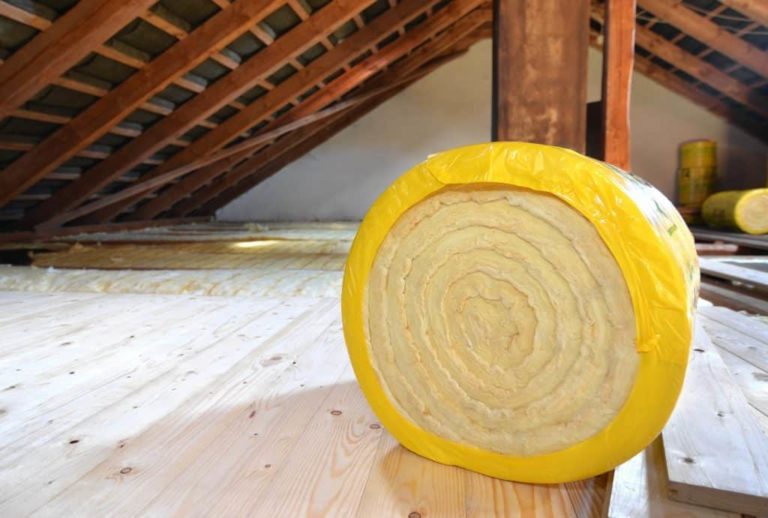

Why Houston Homes Need Attic Insulation in Winter Too
Houston homeowners usually think about attic insulation during summer, but the same insulation works during colder weather. Heat flows toward cooler spaces. In summer, insulation slows heat entering the living area from a hot attic; in winter, it slows indoor heat escaping through the ceiling.
Houston does not have a long northern heating season, yet cold fronts and rapid temperature swings can expose thin coverage, air leaks, and duct problems. A year-round attic strategy is more useful than treating insulation as a summer-only product.
How Insulation Works in Both Directions
Insulation resists conductive heat flow regardless of direction. During cooling season, the attic and roof may be much warmer than the interior. During heating season, the conditioned rooms are warmer than the attic and outdoors.
R-value describes resistance to conductive heat flow. It does not measure air leakage, duct loss, radiant heat, moisture durability, or HVAC efficiency. Real performance depends on a continuous installation combined with the appropriate air, moisture, and ventilation controls.
Why Houston Winter Conditions Still Matter
Houston weather can shift quickly. A warm afternoon may be followed by a cold, windy night. These swings can reveal weak areas that are less obvious during steady weather:
- Drafts around attic hatches and ceiling penetrations
- Cold upstairs ceilings below thin insulation
- Rooms that cool faster than the rest of the home
- Long heating cycles during cold fronts
- Condensation on poorly insulated ducts or surfaces
- Discomfort near additions, garages, and knee walls
These symptoms do not prove insulation is the only cause. Windows, HVAC operation, duct leakage, and air infiltration should also be considered.
Air Sealing Becomes Noticeable During Windy Cold Fronts
Fiberglass and other air-permeable insulation can slow heat conduction while allowing air to move through gaps in the ceiling plane. Wind and indoor-outdoor temperature differences can increase this uncontrolled airflow.
Common attic leakage paths include plumbing and wiring penetrations, open chases, top plates, duct boots, attic stairs, and dropped soffits. Accessible leaks should be sealed with materials suitable for the location before additional loose fill covers them.
Flues, chimneys, and heat-producing fixtures require approved clearances and high-temperature details. Ordinary foam should not be used indiscriminately around hot components.
Uneven Insulation Creates Cold-Weather Weak Spots
Deep insulation across the middle of an attic can hide missing corners, thin eaves, compressed walkways, and uncovered access panels. Heat takes the easiest path through the enclosure, so isolated gaps may affect rooms below them.
A winter evaluation should check multiple safe, accessible points rather than relying on one depth measurement. Batts should fit without gaps or compression. Blown material should have uniform depth and a documented bag count.
Attic Ducts Affect Heating and Cooling
Many Houston homes have ducts in the attic. During winter, a leaking supply can lose heated air before it reaches the room. A leaking return may pull cold or dusty attic air into the system. Damaged duct insulation also increases heat loss and can contribute to condensation under the right conditions.
Attic-floor insulation will not repair ducts. Visible disconnections, torn jackets, poor supports, weak room airflow, and condensation should be documented and evaluated by a qualified HVAC professional.
Moisture Problems Should Be Solved First
Roof leaks, plumbing leaks, bathroom exhaust terminating in the attic, and HVAC condensation can wet insulation and surrounding materials. New insulation should not conceal dampness, staining, or mold-like growth.
Repair the source first. Depending on the extent and material, affected insulation may be dried, selectively replaced, or professionally removed. Learn when old attic insulation should be removed.
Does Older Insulation Always Need Replacement?
No. Age alone does not make insulation ineffective. Clean, dry, undisturbed material may continue to perform and may accept a compatible top-up.
Replacement or removal becomes more likely when insulation is wet, contaminated, badly displaced, smoke-damaged, or blocking access to repairs. The contractor should explain the observed condition rather than recommending removal solely from the installation date.
Where Radiant Barrier Fits
Radiant barrier is primarily a cooling-season measure because it reduces radiant heat transfer from hot roof decking across an attic airspace. It can complement year-round bulk insulation but does not replace R-value or air sealing.
Ultimate Radiant Barrier installs foil rated at 97% reflectivity when the attic is appropriate for the system. Its winter effect is not the main reason to install it; the project should be evaluated for Houston’s long cooling season.
A Practical Year-Round Attic Checklist
- Confirm insulation type, depth, and uniform coverage
- Seal accessible ceiling leaks before adding loose fill
- Weatherstrip and insulate the attic access
- Keep soffit ventilation open in a vented attic
- Inspect accessible ducts for damage or condensation
- Correct roof, plumbing, and exhaust moisture sources
- Protect flues, fixtures, wiring, and equipment clearances
- Document product, target R-value, depth, and bag count
Can Insulation Reduce Winter Energy Use?
Improving an under-insulated or defective attic can reduce unwanted heat flow and may shorten heating cycles. Actual results vary with weather, air leakage, ducts, HVAC efficiency, thermostat settings, occupancy, windows, and utility rates.
A contractor should not guarantee one savings percentage for every home. The recommendation should be based on measured and observed conditions.
Prepare Your Houston Attic for Every Season
Ultimate Radiant Barrier evaluates the attic as a complete system and recommends only the work supported by its condition. Explore our Houston fiberglass attic insulation service or read the complete attic insulation guide.
Call 713-805-0394 or request a free estimate.