Insulation Removal Houston: When to Remove Old Insulation and How to Do It Safely
Old attic insulation does not need to be removed simply because it has been in place for years. If it is dry, clean, correctly installed, and still performing as intended, it may be possible to improve the attic without removing everything. Removal becomes important when insulation has been damaged, contaminated, compressed, poorly installed, or is preventing necessary repairs and air sealing.
Houston homeowners face a particular combination of extreme attic heat, high humidity, roof leaks, air-conditioning condensation, storms, and pest activity. Those conditions can shorten the useful life of insulation and create problems that should be corrected before new material is installed. This guide explains when insulation removal in Houston makes sense, how professionals approach the work, and what should happen before replacement insulation goes into the attic.
Signs Your Houston Home May Need Insulation Removal
An attic inspection is the only reliable way to determine the condition of the insulation, but several warning signs justify taking a closer look:
- Water or moisture damage: Roof leaks, plumbing leaks, and HVAC condensation can leave insulation wet, matted, or unable to perform properly.
- Mold or persistent musty odors: Odors may point to a moisture problem that must be identified and corrected before the attic is reinsulated.
- Rodent or wildlife contamination: Droppings, nesting material, urine, and damaged insulation can create sanitation concerns and unpleasant odors.
- Fire or smoke damage: Insulation affected by smoke, soot, or fire suppression may require controlled removal.
- Severe compression or deterioration: Insulation that is heavily compacted, displaced, or missing in large areas will not deliver consistent thermal protection.
- Repeated dust entering the home: Damaged ductwork, ceiling penetrations, or disturbed insulation may contribute to airborne debris.
- Upcoming attic repairs: Removal may be necessary to expose wiring, decking, air leaks, recessed fixtures, or other conditions that need attention.
High energy bills alone do not prove that insulation must be removed. Air leakage, duct problems, HVAC performance, solar heat gain, and insufficient insulation depth can produce similar symptoms. A proper assessment should identify the cause before recommending a full removal.
When Existing Insulation Can Stay
Removing insulation is not automatically the best or most economical solution. Existing fiberglass or blown insulation may be left in place when it is clean, dry, free of pests, evenly distributed, and compatible with the planned improvement. In some homes, adding insulation to reach the appropriate performance level is more sensible than starting over.
The deciding issue is condition, not age alone. A reputable Houston insulation contractor should be able to explain what is wrong, show you the affected areas, and distinguish between a localized repair and a complete attic cleanout.
What a Professional Attic Insulation Removal Process Includes
1. Inspecting the attic and identifying the cause
The process should begin with an inspection of the insulation, roof decking, ventilation, ductwork, visible wiring, plumbing penetrations, and accessible moisture-prone areas. If there is water intrusion or pest activity, the underlying source must be addressed or the same damage can return after replacement.
2. Protecting the home and work area
Attic access points and travel paths should be protected before work begins. Professional crews use appropriate containment, protective equipment, and removal methods to limit dust and prevent debris from being tracked through the home.
3. Removing loose and damaged material
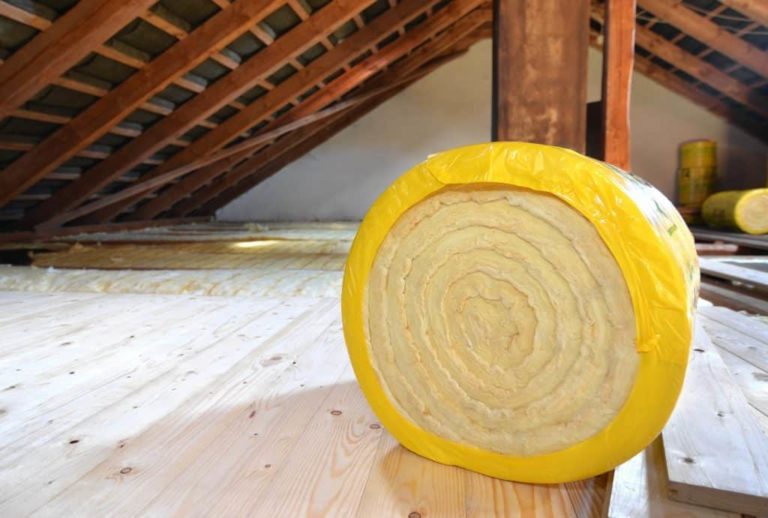
Loose-fill insulation is commonly removed with specialized vacuum equipment and collected outside the living space. Batt insulation may be carefully rolled, bagged, and carried out. The appropriate method depends on the material, attic access, contamination, and site conditions.
4. Cleaning and inspecting the exposed attic
Once the old insulation is out, the exposed attic can be inspected more accurately. Remaining debris should be removed, and any moisture, pest, electrical, structural, or duct concerns should be documented. Insulation removal is valuable partly because it reveals problems that were previously hidden.
5. Completing repairs and air sealing
Replacing insulation without correcting roof leaks, open penetrations, duct leakage, or other defects wastes an important opportunity. Necessary repairs and appropriate air sealing should be completed before the new insulation covers those areas again.
6. Installing the right replacement insulation
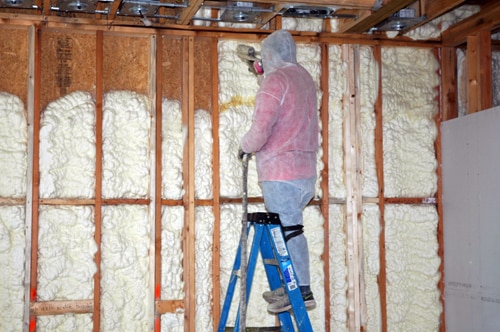
The best replacement depends on the attic design, budget, performance goals, and condition of the home. Options may include fiberglass attic insulation, spray foam, or a system that combines insulation improvements with radiant-heat control. The recommendation should be based on the home rather than a one-size-fits-all sales pitch.
Insulation Removal Safety Concerns
Attics can contain exposed fasteners, electrical hazards, unstable walking surfaces, extreme temperatures, animal waste, mold, and fine airborne particles. Basic gloves and a disposable dust mask may not provide adequate protection for every condition.
Some older homes may also contain vermiculite insulation or other materials that should not be disturbed until they have been evaluated for asbestos risk. If the insulation type is uncertain, stop work and obtain qualified guidance before moving or vacuuming it.
Mold, pest contamination, and hazardous materials may require specialists beyond a standard insulation crew. The correct sequence is to identify the condition, use the appropriate professional when necessary, eliminate the source, and only then install replacement insulation.
Should You Remove Attic Insulation Yourself?
A small amount of clean batt insulation in an easily accessible area may appear manageable, but a whole-attic removal is physically demanding and can spread contaminants when performed without the right equipment. Houston attic temperatures add another serious concern, particularly during warmer months.
Professional insulation removal services in Houston are generally the better choice when the attic contains loose-fill material, extensive contamination, difficult access, possible asbestos-containing material, damaged wiring, or evidence of mold or animals. Professional equipment also allows the material to be collected more efficiently and disposed of according to the requirements that apply to the material and job.
What Insulation Removal Can—and Cannot—Do
Removing damaged insulation creates a clean foundation for repairs and a better-performing insulation system, but removal by itself does not lower energy bills. The benefit comes from correcting the underlying problems, sealing unwanted air movement where appropriate, and installing replacement insulation correctly.
Likewise, new insulation will not repair a leaking roof, damaged ductwork, uncontrolled moisture, or an inefficient HVAC system. A good recommendation considers the attic as a system and explains which improvements are necessary, which are optional, and why.
Insulation Removal Questions Houston Homeowners Ask
Does all old insulation need to be removed?
No. Clean, dry, uncontaminated insulation may be suitable to remain in place. Removal should be based on its condition and the work the attic needs.
Can new insulation be installed over existing insulation?
Sometimes. Existing insulation must first be inspected for moisture, pests, contamination, compression, and installation problems. Covering damaged insulation can conceal the problem rather than solve it.
How long does attic insulation removal take?
The schedule depends on attic size, access, insulation type, depth, contamination, and required cleanup or repairs. An inspection is necessary before providing a meaningful timeline.
What affects insulation removal cost?
Important factors include attic square footage, material type and depth, access difficulty, disposal requirements, contamination, and whether repairs or air sealing are needed before replacement.
Should insulation be removed after a roof leak?
Insulation that became wet should be inspected promptly. The roof leak must be repaired first, and material that remains damp, compressed, contaminated, or damaged may need to be removed and replaced.
Get an Honest Assessment of Your Attic Insulation
Ultimate Radiant Barrier provides attic inspections and insulation removal for homeowners throughout Greater Houston. The goal is not to recommend removal when it is unnecessary. It is to determine what condition the attic is in, explain the available options, and build the right path toward a cleaner and more energy-efficient home.
Call 713-805-0394 or request an insulation removal estimate to schedule an evaluation.