
How to Choose an Insulation Contractor in Houston
Choosing an insulation contractor in Houston should involve more than comparing a price per square foot. The contractor must identify why the home is uncomfortable or inefficient, determine how insulation fits with air sealing, ducts, ventilation, and moisture, and describe an installation that can be verified afterward.
This guide walks homeowners from the initial attic assessment through proposal comparison and final inspection.
Start With the Problem You Want to Solve
Before calling contractors, write down the symptoms and project goals. Examples include:
- Upstairs rooms that are difficult to cool
- Thin, uneven, wet, or contaminated attic insulation
- A remodel or roof repair that disturbed the attic
- High HVAC run time or unexplained energy use
- Visible duct damage or condensation
- Interest in radiant barrier or an unvented spray-foam roofline
A clear goal makes it easier to recognize whether a contractor is diagnosing the home or merely selling a preferred product.
Expect an On-Site Evaluation
A meaningful recommendation normally requires seeing the attic or building assembly. The contractor should inspect accessible areas and document conditions that affect the scope.
The evaluation should consider:
- Existing material, depth, condition, and coverage
- Air leakage at the ceiling plane
- Soffit intake, exhaust ventilation, and baffles
- Roof, plumbing, and HVAC moisture indicators
- Accessible ducts and mechanical equipment
- Attic hatch, platforms, storage, and access
- Electrical components, flues, chimneys, and fixtures
- Pest contamination or suspect hazardous material
A quote based only on home square footage cannot account for many of these variables.
Check Business Identity, Insurance, and Relevant Qualifications
Verify the legal business name, physical service area, contact information, and how long the company has operated under that identity. Ask for proof of current general liability insurance and workers’ compensation or the company’s applicable worker-coverage arrangement.
Licensing requirements depend on the work and jurisdiction. Insulation alone may not require the same state license as HVAC or electrical work, so avoid treating a generic “licensed” badge as proof of every qualification. Confirm registrations, permits, manufacturer requirements, and trade licenses relevant to the actual scope.
Also ask who will perform the work. A salesperson’s experience is not the same as the crew’s training and supervision.
Look for Experience With the Proposed System
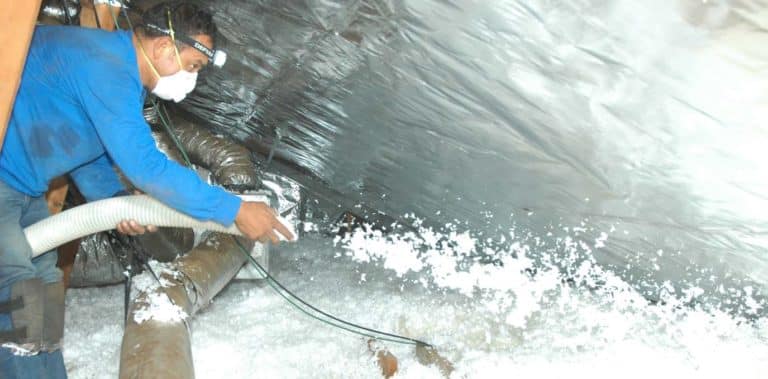
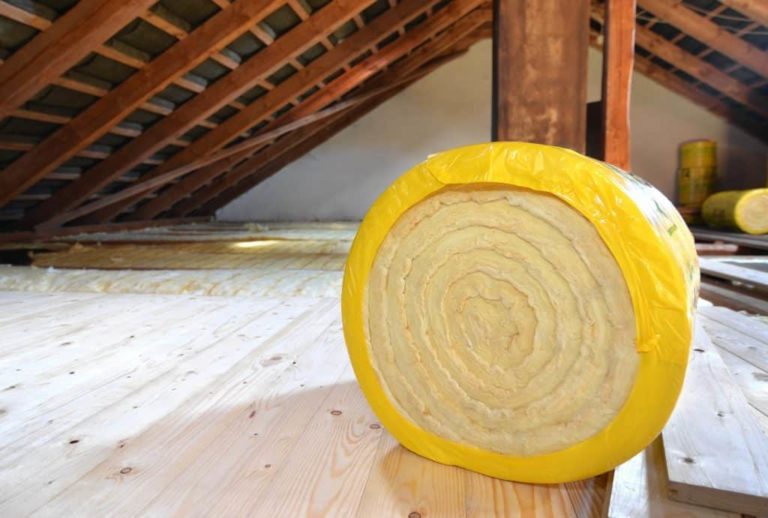
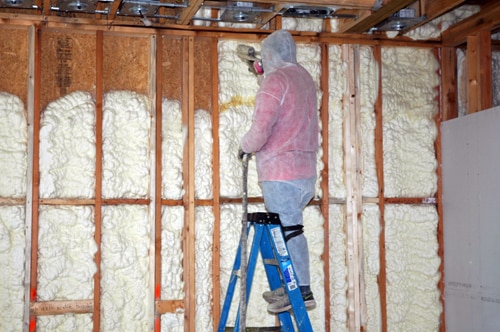
Fiberglass, cellulose, spray polyurethane foam, and radiant barriers use different equipment and installation details. Experience should match the material and assembly being proposed.
Ask the contractor to explain:
- Why this material fits the home
- Where the primary air and thermal boundaries will be
- Whether the attic remains vented or becomes unvented
- How moisture and ventilation will be managed
- How ducts and combustion equipment affect the plan
- What manufacturer instructions govern the installation
A contractor should be able to discuss alternatives and tradeoffs without claiming that one product is universally best.
Compare Written Scopes, Not Headline Prices
Two estimates may use the same square footage while including completely different work. Request a written proposal that defines:
- Measured coverage area
- Existing insulation that remains or is removed
- Product manufacturer and product name
- Target R-value and installed depth or thickness
- Required bag count for loose-fill products
- Air-sealing locations and materials
- Baffles, dams, hatch treatment, and walkways
- Fixture, flue, wiring, duct, and equipment protection
- Cleanup, disposal, exclusions, and change-order conditions
- Material and workmanship warranties
For cost variables and proposal comparison, see our guide to Houston attic insulation cost and value.
Understand the Proposed R-Value
R-value measures resistance to conductive heat flow. The contractor should identify the existing material and estimated performance, then state the proposed target and how the product achieves it.
Depth alone is not universal because materials and products provide different R-values per inch. Coverage should be uniform; thin eaves, bare corners, compressed pathways, and an uncovered hatch can weaken an otherwise deep installation.
Ask What Happens Before Insulation Is Added
Preparation often determines whether the project addresses the real problem. Accessible ceiling penetrations may need air sealing before loose fill covers them. Roof and plumbing leaks must be repaired. Pest entry and contamination need a plan. Duct problems should be documented and referred to the appropriate professional.
Existing insulation does not automatically need removal because it is old. Clean, dry material may remain beneath a compatible new layer. Removal should be supported by its condition or the need for access—not used as a default upsell.
Review Safety and Occupancy Procedures
Ask how the crew protects occupants, workers, stored belongings, HVAC equipment, and finished surfaces. The plan should address dust control, attic access, heat exposure, protective equipment, cleanup, and disposal.
Spray polyurethane foam requires product-specific health and safety procedures, including controlling access during application and following the manufacturer’s re-entry and re-occupancy instructions. Fire-protection and ignition-barrier requirements should be included where applicable.
Verify Reviews Without Relying on Stars Alone
Reviews can reveal patterns, but a perfect average is not a substitute for a complete proposal. Look for detailed comments about communication, jobsite protection, whether the crew completed the stated scope, and how the company handled problems.
Use multiple sources when practical. Recent reviews are useful, while older reviews help show whether the business has delivered consistent service over time.
Ask for Documentation After Installation
A completed insulation job should be measurable. Depending on the system, documentation may include:
- Before-and-after photographs
- Product labels and coverage charts
- Installed depth and depth-marker photographs
- Number of bags installed
- Areas that were inaccessible or excluded
- Air-sealing and ventilation details
- Warranty and maintenance information
Walk through the completed work or review photographs before final approval. Verify that access openings, vents, fixtures, equipment, and service pathways remain usable and protected.
Warning Signs When Comparing Contractors
- A quote is given without examining the relevant area
- The company guarantees one energy-savings percentage for every home
- The proposal omits product, R-value, depth, coverage, or preparation
- Serviceable insulation is condemned without explaining why
- Moisture or pest contamination is covered instead of corrected
- Soffit vents, flues, fixtures, ducts, and attic access are ignored
- High-pressure discounts expire before you can compare estimates
- Insurance or business identity cannot be verified
- The contractor cannot explain whether the attic remains vented or becomes unvented
Questions to Ask Every Houston Insulation Contractor
- What did you find during the inspection?
- Which problem is your proposal intended to solve?
- Why do you recommend this material and assembly?
- What air sealing and preparation are included?
- What R-value, depth, thickness, and coverage will be installed?
- How will ventilation, ducts, fixtures, and equipment be protected?
- Can existing insulation remain?
- What could change the final price?
- Who supervises the installation crew?
- How will the finished work be documented?
Evaluate the Whole Proposal
The best contractor is not automatically the lowest bidder or the company recommending the most expensive material. Look for a clear diagnosis, a complete scope, relevant experience, safe procedures, transparent exclusions, and a result you can verify.
If you are deciding whether professional help is appropriate, read seven reasons to hire a professional insulation contractor.
Request a Houston Insulation Evaluation
Ultimate Radiant Barrier has served Greater Houston since 2006, with 57 years of insulation-industry experience. Our services include fiberglass attic insulation, spray foam insulation, radiant barrier installation, and insulation removal.
Call 713-805-0394 or request a free estimate.