
Fiberglass Batt Insulation · Houston

Why the Room Over Your Garage Is Always the Hottest in the House

Game room, guest room or home office — if it sits over the garage, it fights heat from more directions than any other room in your house. Here is where it gets in and how to stop it.
The Room Everyone Complains About

It’s Not Your Imagination

Walk into almost any two-story Houston home built in the last few decades and you will find a bonus room over the garage. It might be the kids’ game room, a guest bedroom or the home office where you take video calls in July. And in a lot of those homes, it is the one room where the thermostat never seems to win.

There is a reason. Most rooms in your house share walls, floors and ceilings with other air-conditioned rooms. The room over the garage is different: it is surrounded on several sides by spaces that are not air-conditioned at all — the attic beside it, the attic above it and the garage below it.

Each of those surfaces is a path for heat. When any of them is missing insulation, has gaps or leaks air, that room heats up faster than the rest of the house and your AC simply can’t keep up.

batt fiberglass insulation company houston
Where the Heat Gets In

Four Surfaces Working Against You

The knee walls

Bonus rooms are usually tucked under the roofline, so their side walls are short vertical walls with attic space directly behind them. Those are knee walls. On a summer afternoon the attic on the other side can be well over 120 degrees, and knee walls are notorious for loose, sagging or missing insulation and for having nothing on the attic side to stop air from moving through it.

The sloped ceiling

Where the ceiling follows the roofline, there may be only a few inches between the drywall and the hot roof deck. Insulation there is easy to underfill or leave out at the edges, and it sits closer to the heat than any other ceiling in the house.

The flat ceiling above

Most bonus rooms have a small attic pocket over the flat part of the ceiling. Because it is cramped and hard to reach, it often ends up with thinner insulation than the main attic.

The floor over the garage

Your garage is not air-conditioned and gets hot, and the floor between the garage and the room above needs insulation too. Gaps in that floor also let garage air — and whatever is in it — into the room.

The Department of Energy’s guide to where to insulate in a home calls out each of these spots: insulate and air seal knee walls, insulate ceilings with unconditioned space above them, and insulate floors above unheated garages. For garage ceilings in particular, it says to seal the air leaks first, both for comfort and to keep contaminants like car exhaust, paint and solvents from drifting into the living space.

Signs It’s an Insulation Problem

How to Tell the Room Needs More Than a Bigger AC

Hotter Every Afternoon

The room is fine in the morning and miserable by 4 p.m. — several degrees warmer than the rest of the upstairs, even with the vent wide open.

Warm Walls and Floor

Put your hand on the short side walls or the floor on a hot afternoon. If they feel warm to the touch, heat is coming straight through them.

Garage Smells

If you can smell the garage — exhaust, gasoline, paint — in the room above it, there are air leaks between the two spaces that need sealing.

These point to the shell around the room, not just the AC. Airflow to the room can play a part too, and a good assessment looks at both — but more cooling can’t win against heat pouring through walls and floors that aren’t insulated.

The Fix

Why Fiberglass Batts Fit This Job

Blown-in insulation is the right answer for a wide-open attic floor. The spaces around a bonus room are different. Knee walls are vertical, garage ceilings are overhead, and the floor cavities between joists need insulation that stays in place.

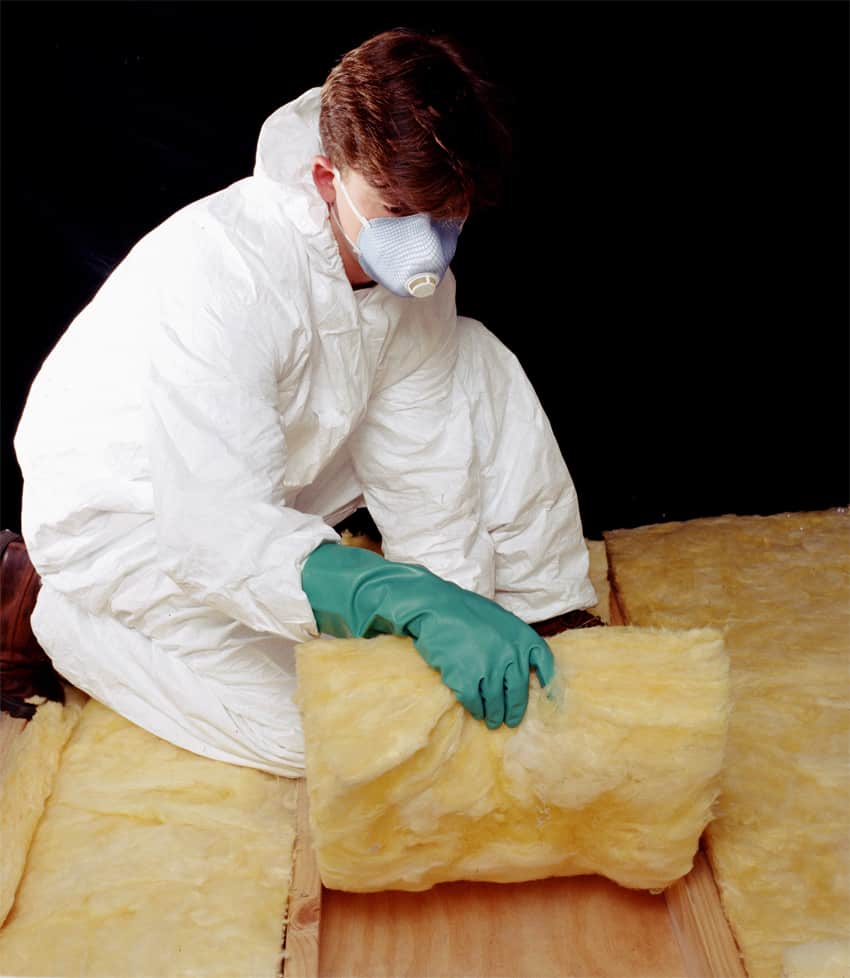
That is where fiberglass batt insulation earns its keep. Batts are sized to fit between studs and joists, so they hold their position in knee walls, garage ceilings and floor cavities where loose-fill can’t. We install CertainTeed fiberglass batts, an inorganic glass fiber product that won’t rot or mildew.

Insulation only works when it fills the cavity and touches the surface it is protecting, with no air moving around it. On knee walls that means batts held snugly against the wall, with an air barrier on the attic side. In a garage ceiling it means sealing the gaps first, then filling the joist cavities fully so the batts sit tight against the subfloor of the room above.

rolled fiberglass insulation
Don’t Forget the Attic

Finish the Job Above the Room Too

The small attic over the bonus room ceiling, and the main attic beside it, matter just as much as the walls. Topping them up with blown in attic insulation to the Department of Energy’s recommended R-30 to R-60 for Houston brings the ceiling up to the same standard as the walls. The DOE notes that if you have less than about R-30 — roughly 10 to 13 inches — you could probably benefit from adding more.

A radiant barrier on the roof framing can also cut the heat radiating down onto the sloped ceiling and knee walls, since those surfaces sit closer to the hot roof deck than any other part of the house.

Common Questions

Bonus Rooms Over Garages: What Houston Homeowners Ask

Why is my bonus room over the garage so hot?

Because it is surrounded by spaces that are not air-conditioned: attic behind the knee walls, attic above the ceiling and the garage below the floor. Missing or gapped insulation and air leaks in any of those surfaces let heat in faster than your AC can remove it.

What is a knee wall?

A short vertical wall, usually in a room under the roofline, with attic space directly behind it. The Department of Energy recommends insulating and air sealing knee walls, because they separate your living space from a hot attic.

Should the garage ceiling under a bonus room be insulated?

Yes. The Department of Energy recommends insulating floors above unheated garages and sealing air leaks first, which also helps keep garage fumes out of the room above.

Will a bigger AC fix a hot bonus room?

Usually not by itself. If heat is pouring through uninsulated walls, ceilings or floors, more cooling capacity just fights a losing battle. Fixing the insulation and air leaks addresses the cause, and airflow to the room is worth checking too.

What insulation works best for knee walls and garage ceilings?

Fiberglass batts are a common, effective choice because they fit between studs and joists and stay put on vertical and overhead surfaces. They need to be installed snugly with no gaps, and knee walls benefit from an air barrier on the attic side.

How much insulation should the attic above a bonus room have?

The Department of Energy recommends R-30 to R-60 in attics for Houston’s climate zone. If the space above the room has less than about R-30, roughly 10 to 13 inches, adding more is usually worthwhile.

Make the Room Over Your Garage Usable Again

Your assessment and written estimate are free. You’ll see exactly where the heat is getting in — knee walls, ceiling, the attic above and the floor over the garage — and get a clear price to fix it. If you have been searching for insulation contractors near me, our crews serve Houston, Katy, Sugar Land, The Woodlands, Cypress, Spring, Pearland and the surrounding communities.